Back
Container Freight Rates Surge as Middle East Tensions Ripple Through Global Supply Chains
Asia-US shipping costs have more than doubled as conflict-driven disruptions, fuel price increases, and port congestion reshape container trade.
Freight Costs Jump Across Major Trade Lanes
Container rates from Asia to major consumer markets recorded significant gains over the past week.
Freight rates to Northern Europe climbed by more than a quarter, while rates from Asia to the US West Coast rose by around 20%, reaching levels not seen for nearly a year.
The most dramatic increase has been on transpacific routes. Since the outbreak of hostilities involving Iran earlier this year, container shipping costs from Asia to the United States have surged by more than 100%, while rates to Europe have risen by over 50%.
For importers and cargo owners, the increase translates into significantly higher transportation costs at a time when global supply chains were only beginning to stabilize.
Fuel Costs and Congestion Create a Double Impact
Shipping lines are increasingly introducing fuel-related surcharges as elevated energy prices push up voyage expenses.
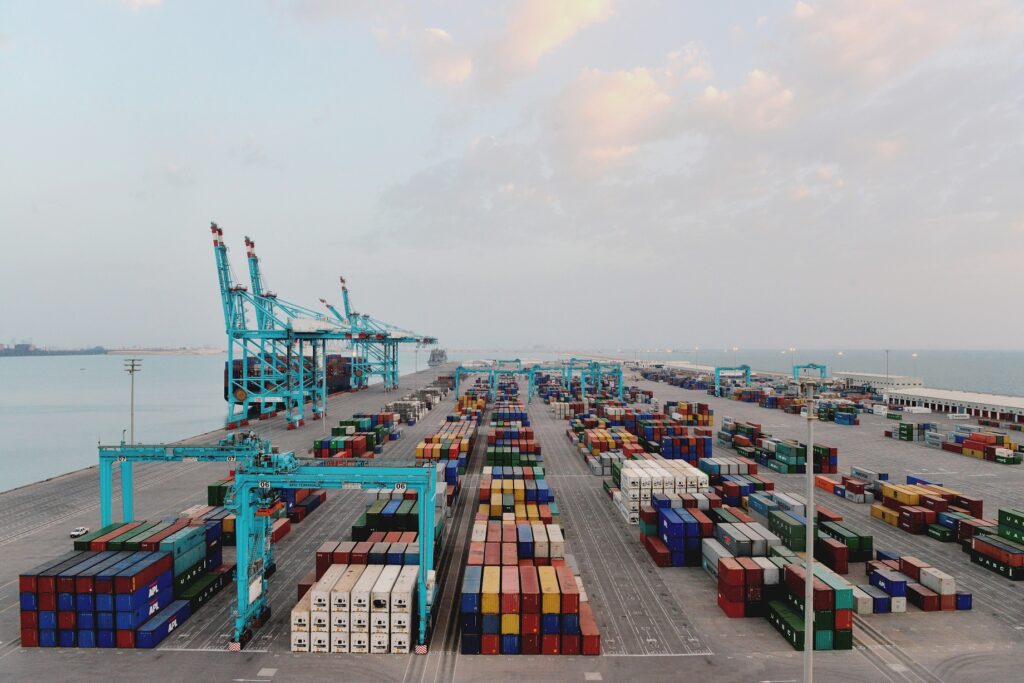
At the same time, vessel schedules are being disrupted by congestion across important Southeast Asian ports. Cargo rerouting linked to restrictions around the Strait of Hormuz has placed additional pressure on major transshipment hubs such as Singapore and Port Klang.
As more vessels arrive outside their planned schedules, delays begin to spread throughout the network, reducing effective capacity and creating bottlenecks even on routes that do not directly pass through the Middle East.
The result is a tightening supply-demand balance that is placing upward pressure on freight rates globally.
Peak Season Demand Adds Further Pressure
The timing of the disruptions is particularly challenging for shippers.
July and August traditionally mark the beginning of the inventory restocking season for retailers preparing for year-end demand. Many cargo owners may choose to accelerate shipments to avoid future disruptions or further rate increases.
If front-loading activity increases, carriers could gain additional pricing power, pushing freight rates even higher during the second half of the year.
Industry observers note that current market conditions resemble previous periods when supply chain disruptions quickly translated into widespread freight inflation.
Container Lines Benefit from Market Upswing
While cargo owners face higher transportation expenses, container shipping companies are benefiting from stronger earnings prospects.
Investors have responded positively to the improving market environment, with major liner operators seeing significant gains in market value as freight rates strengthen.
The impact is also spreading beyond ocean freight. Recent logistics industry data indicates transportation costs across multiple modes are rising rapidly, highlighting broader inflationary pressure within global supply chains.
Why This Matters
- Importers face rising logistics costs: Higher freight rates and fuel surcharges could increase the cost of goods across multiple industries.
- Port congestion is becoming a global issue: Delays at key Asian hubs are affecting trade lanes far beyond the Middle East region.
- Peak season could intensify the squeeze: Increased demand during inventory restocking months may push rates even higher.
- Container carriers stand to benefit: Stronger freight markets are improving revenue prospects for shipping lines after a period of weaker demand.
The latest surge in container freight rates demonstrates how geopolitical events can quickly ripple through global supply chains. While the immediate drivers are fuel costs, congestion, and capacity constraints, the approaching peak season may add further momentum to the market. For shippers, carriers, and logistics providers, the coming months will be critical in determining whether current rate increases represent a temporary spike or the beginning of a broader freight market rally.


ABS Urges IMO to Balance Decarbonization Goals with Industry Realities

Supertanker Ordering Frenzy Reaches New Record as Owners Bet on Future Demand

Containers Crash onto Bunker Vessel During Cargo Operations in Antwerp

- Importers face rising logistics costs: Higher freight rates and fuel surcharges could increase the cost of goods across multiple industries.
- Port congestion is becoming a global issue: Delays at key Asian hubs are affecting trade lanes far beyond the Middle East region.
- Peak season could intensify the squeeze: Increased demand during inventory restocking months may push rates even higher.
- Container carriers stand to benefit: Stronger freight markets are improving revenue prospects for shipping lines after a period of weaker demand.