Supertanker Ordering Frenzy Reaches New Record as Owners Bet on Future Demand
Shipping Industry Sees Largest VLCC Orderbook in History Amid Strong Earnings and Fleet Renewal Push
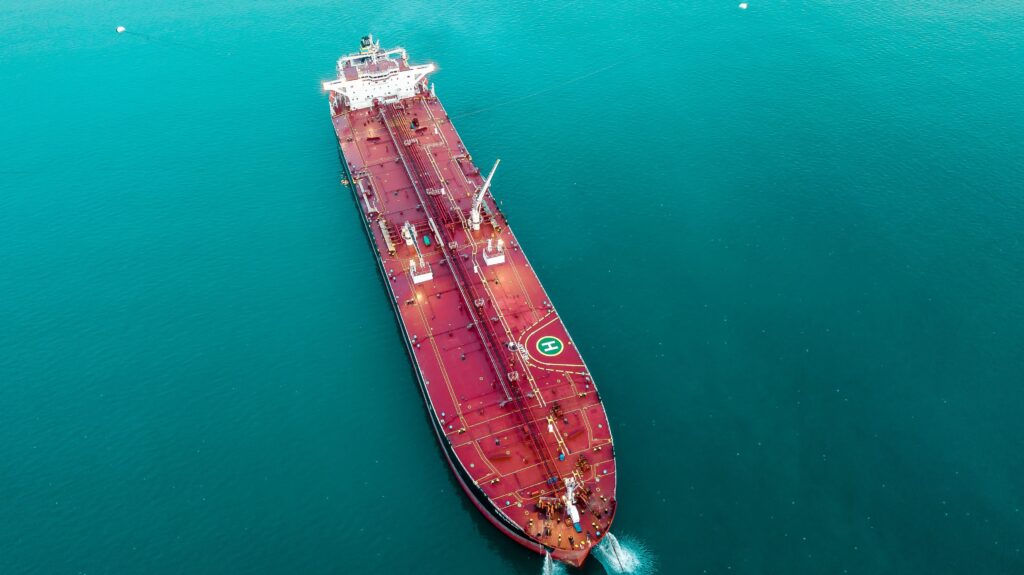
The global tanker market is witnessing a historic surge in newbuilding activity, with shipowners ordering more Very Large Crude Carriers (VLCCs) than at any point in recorded history. While strong freight earnings and aging fleets are driving investment, many industry veterans are also warning that today’s ordering boom could become tomorrow’s oversupply problem.
Record Orderbook Signals Confidence in the Tanker Market
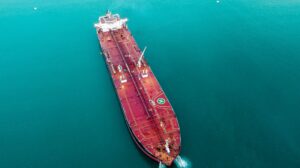
According to industry data, shipyards worldwide currently have orders for 262 VLCCs—supertankers capable of transporting around two million barrels of crude oil each. This figure exceeds the previous record reached during the shipping boom of 2008, a period that was later followed by a prolonged downturn as too many vessels entered the market. The scale of current ordering activity has become one of the most discussed topics among shipowners, brokers, financiers, and charterers, particularly during recent industry gatherings where concerns about future market balance dominated conversations.
War-Driven Earnings Fuel Investment Appetite
Recent geopolitical tensions in the Middle East have dramatically reshaped tanker market dynamics. Disruptions linked to the conflict involving Iran have pushed freight rates sharply higher, with some voyages generating exceptional returns for owners. In certain periods, tanker earnings have surged to levels rarely seen in modern shipping. For many operators, these strong cash flows have strengthened balance sheets and increased confidence to invest in fleet expansion. However, industry leaders caution that geopolitical disruptions can be a double-edged sword. While they may temporarily boost freight rates, prolonged trade interruptions—especially around critical routes such as the Strait of Hormuz—can eventually reduce cargo volumes and place pressure on vessel demand.
Asset Values Climb Across the Market
The tanker boom has not been limited to freight earnings. Values of second-hand vessels have climbed significantly, with a 10-year-old VLCC now commanding prices not seen since the pre-financial-crisis era. Publicly listed tanker companies have also benefited. Investor confidence in the sector has strengthened considerably, leading to a sharp increase in the combined market value of major tanker operators over recent months. Adding further momentum to the market, aggressive acquisitions by South Korean interests backed by major shipping capital have injected substantial liquidity into the sector. Several tanker owners have sold vessels at attractive prices and subsequently redirected proceeds toward ordering modern replacement tonnage.
Fleet Renewal Driving Newbuild Demand
Supporters of the current ordering cycle argue that today’s market differs from the speculative boom of 2008. A significant portion of the global tanker fleet is aging, with average vessel age reaching its highest level in decades. At the same time, sanctions-related restrictions have effectively removed numerous ships from mainstream trading markets. These factors have increased the need for newer, more efficient vessels capable of meeting modern operational, environmental, and commercial requirements. As a result, many owners view current orders as fleet renewal rather than pure capacity expansion.
Memories of Past Cycles Remain Fresh
Despite these justifications, experienced market participants see familiar warning signs. Shipping has a long history of ordering surges during profitable periods, only for vessel deliveries years later to create excess capacity and weaken freight rates. Several industry observers have noted that the optimism surrounding today’s market bears similarities to sentiment seen before the 2008 financial crisis. The challenge for owners will be ensuring that future cargo demand grows sufficiently to absorb the large number of new ships scheduled to enter service over the coming years.
Why This Matters
Fleet renewal is accelerating: Older tankers are increasingly being replaced by newer, more efficient vessels with better environmental performance.
Future freight rates could face pressure: A large influx of new VLCCs may eventually create oversupply if oil trade growth slows.
Shipyard capacity remains strong: The record orderbook reflects continued confidence in long-term tanker demand despite geopolitical uncertainty.
Investment decisions today will shape tomorrow’s market: Owners must balance current profits against the risk of repeating previous shipping cycles.
The tanker sector is enjoying one of its strongest periods in recent memory, supported by elevated freight rates, rising asset values, and abundant liquidity. Yet history continues to cast a long shadow over the industry. As shipowners commit billions of dollars to new tonnage, the key question remains whether future demand will justify today’s record-breaking orderbook—or whether the seeds of the next downturn are already being planted.