The transition to next-generation marine fuels reached a defining moment in South Korea, as the first-ever commercial ammonia bunkering operation was successfully carried out at Ulsan.
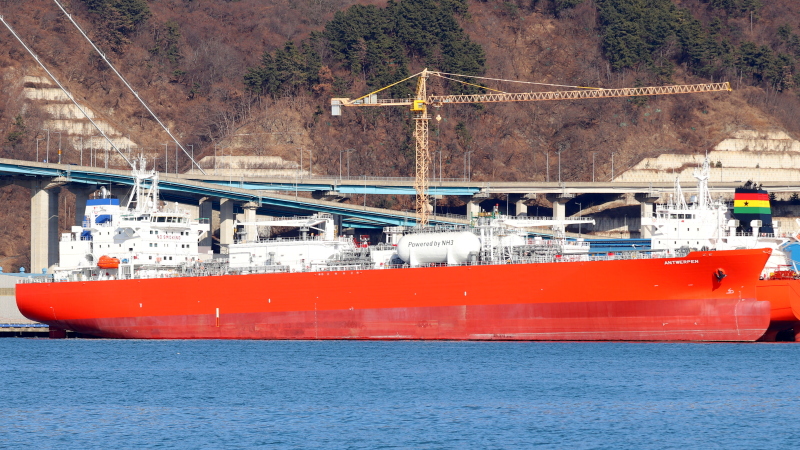
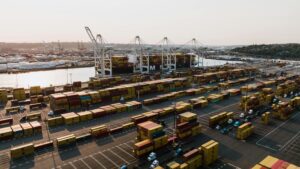
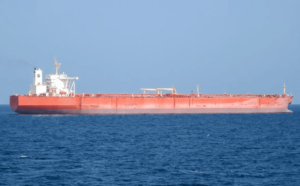
The operation took place on April 23 at Ulsan’s main port, where approximately 600 tonnes of ammonia were transferred directly from shore to ship. The receiving vessel, Antwerpen, is a 46,000 cubic meter gas carrier built for Exmar by HD Hyundai Heavy Industries.
Unlike earlier pilot projects, this was not a controlled demonstration—it was a fully commercial bunkering activity. That distinction matters. It signals that ammonia is beginning to move beyond experimental status and into operational reality.
The fuel supply was handled by Lotte Fine Chemical, which has been actively building its position in the emerging clean fuel supply chain. The company had earlier secured a milestone of its own, completing the first international import of green ammonia produced entirely from renewable energy sources.
What makes Antwerpen particularly significant is its dual capability. Designed to transport liquefied gases such as LPG and ammonia, the vessel can also use ammonia as a fuel—effectively linking cargo and propulsion in one system. This design approach is likely to influence future gas carrier and fuel-ready vessel segments.
Behind the scenes, this milestone reflects over two years of coordination. The Ulsan Port Authority began laying the groundwork in early 2024 through industry partnerships covering safety protocols, regulatory frameworks, and infrastructure readiness. Stakeholders across the value chain—including classification societies, shipbuilders, and operators—worked to establish procedures for handling ammonia, a fuel known for its toxicity and handling complexity.
The port’s role is also worth noting. Ulsan has positioned itself as a future hub for alternative marine fuels, leveraging its existing petrochemical infrastructure and bunkering expertise to support fuels like ammonia alongside LNG and methanol.
Meanwhile, Exmar’s second vessel in the series, Arlon, is progressing through sea trials and is expected to join the fleet soon—indicating that ammonia-ready tonnage is moving steadily from concept to deployment.