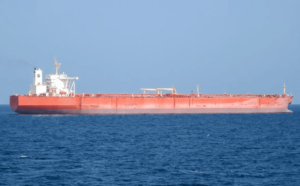
The United States has initiated legal action to claim ownership of two oil tankers tied to Iranian trade, marking a significant escalation in its maritime enforcement strategy.
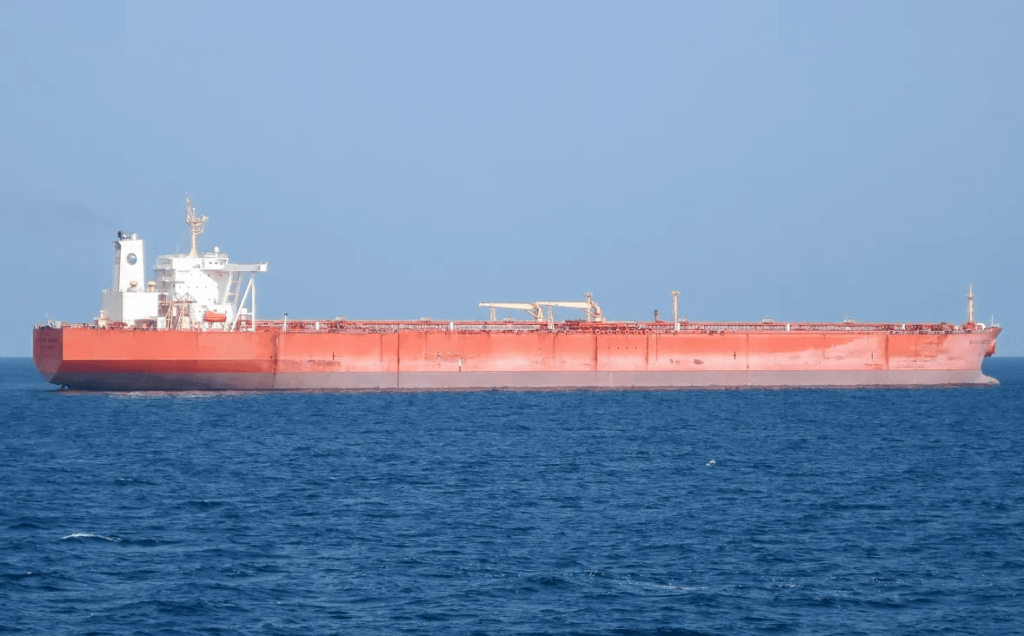
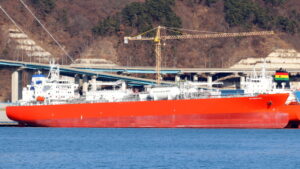
According to officials, the US Department of Justice has begun forfeiture proceedings against the tankers Tifani and Phonix (also known as Majestic X), both intercepted in the Indian Ocean near Sri Lanka. These vessels were boarded by US forces as part of a broader effort to disrupt Iran’s oil exports.
Both tankers were reportedly carrying large volumes of Iranian crude—around 1.9 million barrels each—when they were interdicted.
While the vessels have continued to move within the Indian Ocean following the boarding operations, their final destination—and legal fate—remains unclear. Authorities have declined to disclose operational details, including whether the oil cargo itself will be confiscated.
This development comes amid an increasingly aggressive US campaign to pressure Iran economically through maritime controls. The naval blockade, introduced in April under “Operation Economic Fury,” is designed to choke off Iran’s oil exports by preventing tankers from reaching international buyers.
US officials argue the strategy is already constraining exports. Key terminals such as Kharg Island are reportedly seeing reduced loading activity, with storage nearing capacity—potentially forcing Iran to shut in production.
At sea, enforcement has been equally assertive. Tankers attempting to test the blockade have in some cases been redirected back to Gulf ports. The move toward legal forfeiture now adds a new dimension—transforming interdictions into asset seizures.
This approach mirrors earlier US actions, including attempts to confiscate Iranian-linked oil cargoes and similar measures targeting Venezuelan crude shipments. In each case, the legal mechanism allows authorities to pursue the cargo or vessel itself, rather than individuals, under asset forfeiture laws.