A dramatic escalation in the Strait of Hormuz has put merchant shipping — and seafarers — back in the firing line.
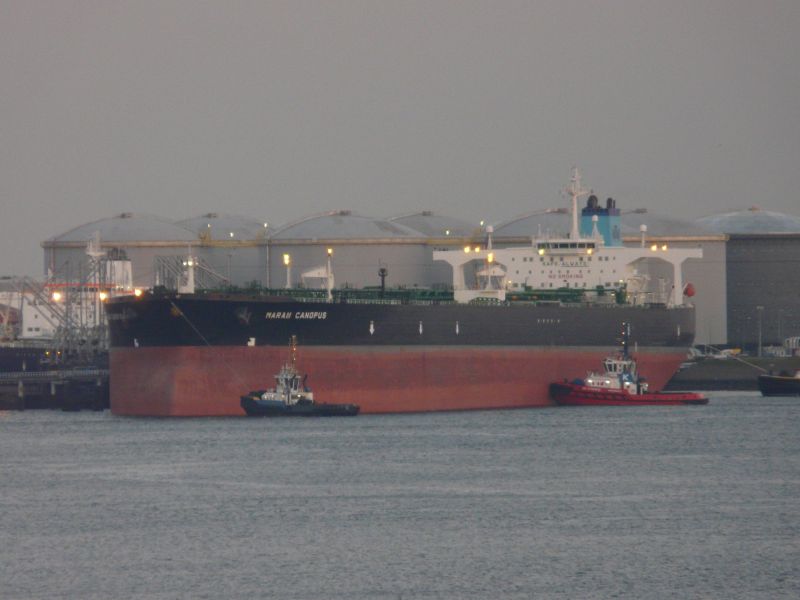
The crude oil tanker Sanmar Herald (IMO: 9330563) was reportedly fired upon by units of Iran’s Islamic Revolutionary Guard Corps (IRGC) while transiting the strait, despite having prior clearance to proceed. In a striking development, the vessel later appeared in tracking systems under a new name: “INDIANSHIPINDIANCREW.”
The incident occurred on April 20, when two IRGC-linked boats approached the tanker roughly 20 nautical miles northeast of Oman and opened fire. According to reports from the UK Maritime Trade Operations centre, no communication was established between the naval units and the vessel during the encounter.
Audio later circulated from the bridge captures the tanker’s master attempting to re-establish contact, insisting the vessel had been cleared for passage. No response was received.
The situation did not involve a single vessel.
On the same day, a separate container ship — also reportedly operating under the Indian flag — was struck by a projectile in a nearby area, damaging cargo on deck. These back-to-back incidents point to a broader deterioration in maritime security across the strait.
The attacks come at a sensitive moment.
Just days earlier, India had resumed imports of Iranian crude for the first time in seven years — a signal of warming trade ties amid global energy volatility. The renewed engagement now faces immediate operational risk as security conditions in the region shift rapidly.
Compounding the uncertainty, vessels in the area reported receiving radio broadcasts from Iranian forces declaring the Strait of Hormuz closed to all traffic, citing geopolitical tensions. While such declarations have not translated into a full shutdown, they significantly raise the threat level for transiting ships.
New Delhi has responded swiftly.
India’s Ministry of External Affairs summoned Iran’s ambassador, emphasizing the importance of safe passage for merchant vessels and calling for immediate steps to ensure the security of India-bound shipping. Officials also noted Iran’s previous cooperation in facilitating safe transit — a contrast to the current situation.
For operators, the renaming of the tanker stands out.
While symbolic, the shift to “INDIANSHIPINDIANCREW” appears aimed at clearly signaling nationality in a high-risk environment — a reminder of how crews and companies are adapting in real time to geopolitical pressure.