The Ecosailor

Iran Warns of $200 Oil as Strait of Hormuz Disruption Sends Shockwaves Through Global Shipping

Back

Iran Warns of $200 Oil as Strait of Hormuz Disruption Sends Shockwaves Through Global Shipping

Iran Warns of $200 Oil as Strait of Hormuz Disruption Sends Shockwaves Through Global Shipping

Tensions in the Middle East are now spilling directly into global energy and maritime markets.
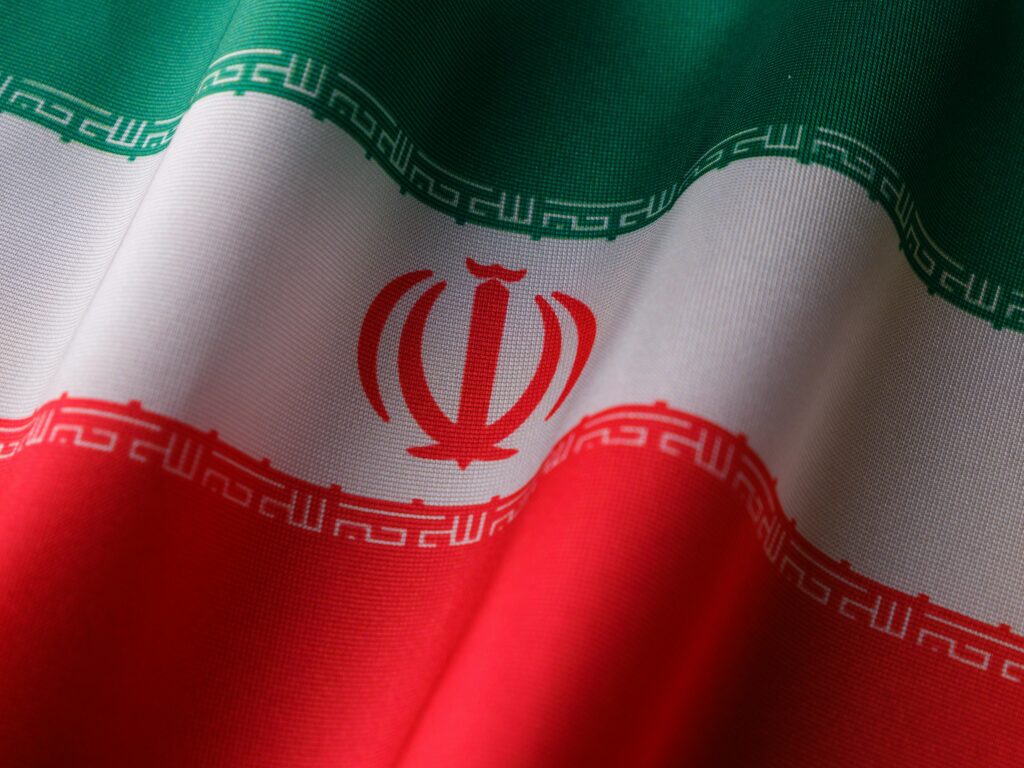
With the Strait of Hormuz effectively disrupted and merchant ships under attack, Iran has warned that oil prices could surge to $200 per barrel if the conflict continues.

Gulf Conflict Begins to Shake Global Energy Markets

Iran has warned that oil prices could climb to $200 a barrel, as escalating conflict in the Gulf threatens one of the world’s most important maritime energy corridors.

The warning came as Iranian forces reportedly targeted merchant vessels in Gulf waters, adding further strain to shipping routes already disrupted by ongoing hostilities between the United States, Israel, and Iran.

Oil markets reacted quickly. Prices briefly surged close to $120 per barrel earlier in the week before settling near $90, then climbed again amid renewed fears of supply disruption.

The conflict — triggered by joint U.S. and Israeli air strikes nearly two weeks earlier — has already caused significant casualties and spread across several parts of the Middle East.

Merchant Ships Caught in the Escalation

The maritime sector is increasingly caught in the crossfire.

Iran’s Revolutionary Guards said their forces had fired on ships in the Gulf that ignored their warnings. Reports indicate that three vessels were hit in Gulf waters, adding to a growing number of attacks on merchant ships since the conflict began.

In one incident, a Thai-flagged bulk carrier caught fire after being struck, forcing the crew to abandon ship. Three seafarers were reported missing and believed trapped in the engine room.

Two additional vessels — a Japanese container ship and a Marshall Islands–flagged bulk carrier — also suffered projectile damage.

The latest incidents bring the number of merchant vessels hit since the start of the conflict to 14.

Strait of Hormuz Traffic Under Severe Pressure

The Strait of Hormuz, a narrow shipping channel responsible for moving roughly 20% of global oil supplies, has effectively become a high-risk transit zone.

There are growing concerns that the passage may be partially blocked. Sources say Iran may have deployed naval mines in the strait, further complicating navigation and raising risks for commercial vessels.

Although ships have technically been advised they “should” continue to transit the waterway, maritime operators remain cautious as the security situation remains volatile.

Strategic Oil Reserves Considered

With oil prices rising and markets growing nervous, the International Energy Agency has recommended releasing 400 million barrels from global strategic reserves — the largest such coordinated release in history. The move aims to stabilise markets and offset supply disruptions caused by reduced flows through the Strait of Hormuz. However, analysts note that even such a large release would represent only a fraction of the oil normally moving through the chokepoint. Iranian officials signalled they intend to use economic pressure as part of the conflict. “Prepare for oil at $200 a barrel,” warned Iranian military spokesperson Ebrahim Zolfaqari, linking energy prices directly to regional security conditions.
Shipping, Ports and Infrastructure Under Threat

The conflict has expanded beyond naval confrontations.

Ports, cities, and infrastructure across the Gulf region have been hit by missile and drone attacks, while regional shipping lanes face growing uncertainty.

Military officials have warned that ports hosting naval facilities could become targets if the conflict escalates further.

For shipping companies and crews operating in the region, the operational environment is becoming increasingly unpredictable.

Why This Matters

  • Global oil supply at risk: The Strait of Hormuz carries around one-fifth of the world’s seaborne oil — disruptions here immediately affect global energy prices.
  • Rising danger for merchant crews: Increasing attacks on commercial vessels highlight the growing risks faced by seafarers.
  • Shipping route uncertainty: Mines, missile threats, and naval tensions make voyage planning through the Gulf extremely challenging.
  • Economic ripple effects: Higher oil prices could raise bunker costs, freight rates, and global logistics expenses.

The Gulf conflict is no longer just a regional security issue — it is rapidly becoming a global shipping and energy crisis. For the maritime industry, the stability of the Strait of Hormuz has rarely been more critical. ⚓

Leave a Comment

Your email address will not be published. Required fields are marked *

Leave a Comment

Your email address will not be published. Required fields are marked *