Explosion at Iran’s Bandar Abbas Port Linked to Gas Leak, Raising Safety Concerns at Key Gulf Shipping Hub
An explosion at a building in Iran’s major port city of Bandar Abbas has left several people dead and injured. While authorities say a gas leak likely caused the blast, the incident has drawn attention due to the port’s strategic role in global maritime trade.
An explosion in the southern Iranian port city of Bandar Abbas has been preliminarily attributed to a gas leak, according to local emergency officials. The blast occurred in a building within the city on Saturday, killing at least two people and injuring 14 others, based on reports from Iranian state media. According to Mohammad Amin Liaqat, head of the local fire department, early assessments indicate the explosion was likely triggered by a gas leak. Authorities are continuing their investigation to determine the exact cause and extent of the damage. Images circulating online showed debris scattered across the area, with damaged vehicles and structural impacts to nearby buildings.
Second Gas Explosion Reported Elsewhere
In a separate incident, another gas-related explosion reportedly occurred in Ahvaz, a city near the Iraq border. According to the Tehran Times, the blast in Ahvaz killed four people, although authorities have released few additional details about the event. The two incidents occurred during a period of heightened political tension in Iran, adding to public anxiety surrounding security and infrastructure safety.
Strategic Importance of Bandar Abbas
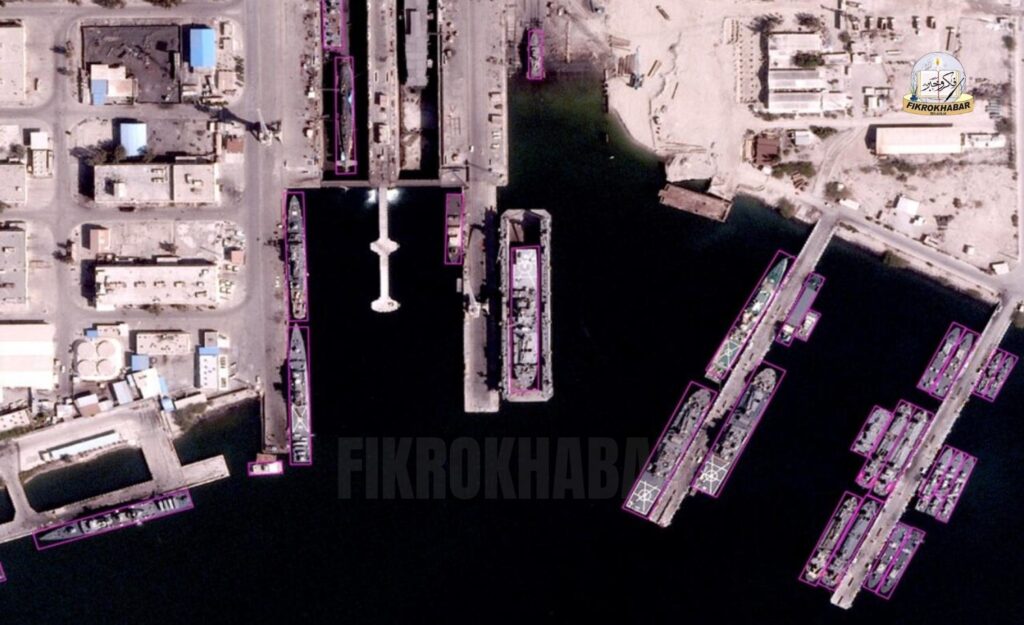
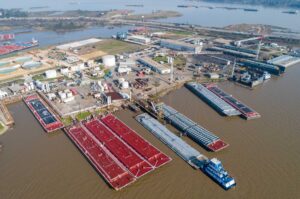
The city of Bandar Abbas hosts Iran’s most important container port and sits directly along the Strait of Hormuz, one of the world’s most critical maritime chokepoints. Roughly 20% of global seaborne oil shipments pass through the strait, making any disruption near the port closely watched by the global shipping and energy industries. Bandar Abbas has experienced serious industrial accidents before. In April last year, a major explosion at the port killed dozens and injured more than 1,000 people, with investigators later attributing the incident to failures in safety procedures and civil defence compliance.
Political Tensions Add to Market Sensitivity
The explosion also occurred amid escalating political tensions between Iran and the United States. Earlier in January, Donald Trump stated that a U.S. naval “armada” was moving toward the region as Washington evaluated potential responses to developments involving Tehran. Meanwhile, Iranian officials suggested diplomatic discussions with Washington may still be possible. Senior security official Ali Larijani said efforts were underway to develop a framework for negotiations, dismissing heightened media speculation as part of a broader information battle. Authorities also rejected social media claims that the explosion targeted a commander from Iran’s Revolutionary Guard Navy, describing such reports as false. Officials in Israel also denied any involvement in the incident.
Why This Matters
Critical shipping location: Bandar Abbas sits next to the Strait of Hormuz, one of the world’s most vital oil shipping routes.
Operational risks near major ports: Industrial accidents at energy and logistics hubs can disrupt port operations and tanker traffic.
Security sensitivity in the Gulf: With regional tensions already high, incidents near strategic ports quickly draw geopolitical scrutiny.
Maritime safety spotlight: Repeated industrial accidents highlight the need for stronger port safety, infrastructure oversight, and emergency response systems.
While authorities say the Bandar Abbas explosion was likely caused by a gas leak, the incident underscores the vulnerability of critical port infrastructure in politically sensitive regions. For the maritime sector, safety failures or disruptions at major Gulf ports can quickly ripple through global shipping and energy supply chains. 🚢