Back
Plugged In but Priced Out? UK Shore Power Faces a Commercial Reality Check
When Clean Power Costs More Than Marine Fuel
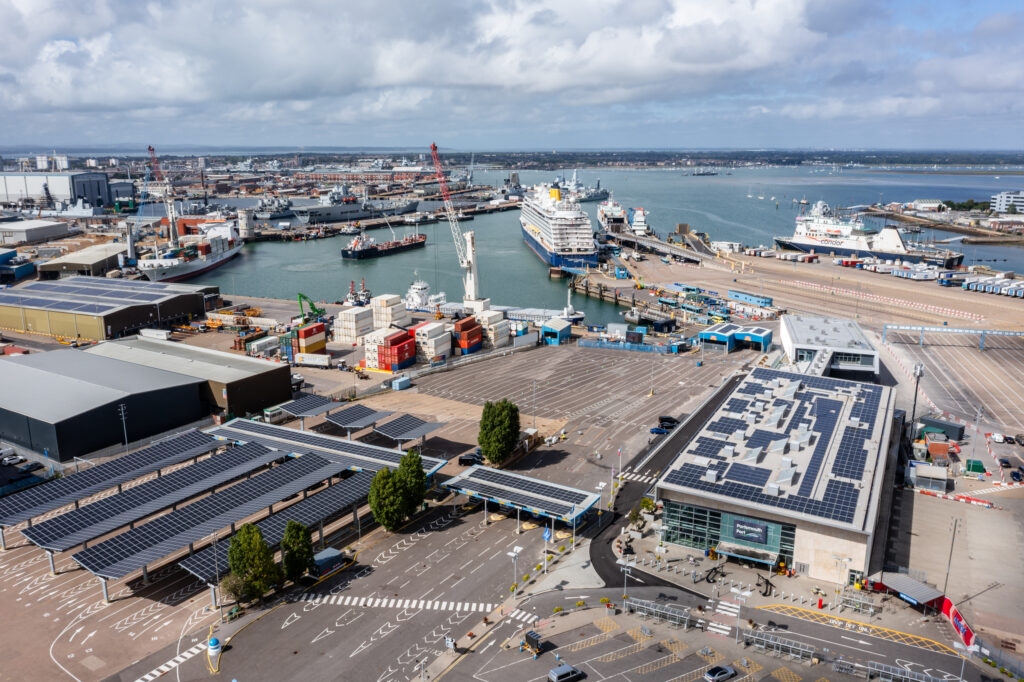
Recent delays to high-profile shore power projects in Aberdeen and Portsmouth have exposed a deeper structural issue, according to NatPower Marine.
At Portsmouth International Port, a £24 million installation has faced grid-connection delays — and a key ferry operator has already indicated it will avoid using the system while electricity prices remain high.
The core problem is simple:
In today’s UK energy market, it is often cheaper for a vessel to run its auxiliary engines at berth than to plug into shore power.
That flips the entire decarbonisation logic.
Ports, which effectively resell electricity to visiting ships, are exposed to:
- Volatile power prices
- High grid charges
- Policy levies
All of this sits against relatively lower-cost marine fuels.
Environmental Case Strong — Commercial Case Weak
From an emissions perspective, the benefits are not in doubt.
Running auxiliary engines alongside is estimated to generate 30–35% of port-city air pollution, including:
- NOₓ
- SOₓ
- Particulates
- CO₂
Shore power eliminates these at berth and delivers immediate local air-quality gains — something crews and port communities notice first.
But both vessels and shore connections are long-life assets, and investors need predictable energy pricing over decades, not months.
Europe Moving Faster
The competitiveness angle is becoming more urgent.
Across Europe, several ports are already supporting uptake through:
Discounted electricity tariffs
Adjusted VAT structures
Direct incentives for green shipping
As regional carbon pricing expands, cargo and liner networks are expected to favour ports where plugging in is not just possible — but affordable.
In a market driven by tight turnaround windows and thin margins, energy pricing can influence port choice.
A Call for Policy Alignment
NatPower Marine argues that without structural reform, private capital will hesitate to fund future installations.
The company is calling for:
- Lower grid-related charges for maritime users
- Stable, long-term investment frameworks
- Targeted incentives for electric and hybrid vessels
- Alignment between UK and EU carbon cost regimes
- Commercial rewards for cargo owners choosing low-emission routes
The wider NatPower Group pipeline — including major renewable and battery storage capacity — shows the scale of ambition. But infrastructure alone does not guarantee adoption.
Why This Matters
- For shipowners & operators: Shore power readiness is becoming a commercial decision, not just a compliance or ESG checkbox — energy pricing will dictate usage.
- For ports: High electricity costs risk turning major CAPEX projects into underutilised assets.
- For crews: Auxiliary engines running alongside remain the operational reality where shore power is uneconomic.
- For green corridors & future fuels: Without price parity, electrification loses momentum and traffic may shift to more competitive European hubs.
The technology works. The emissions case is clear.
The real challenge now is whether policy and power pricing can move fast enough to keep UK ports in the race. ⚓

Plugged In but Priced Out? UK Shore Power Faces a Commercial Reality Check

Moscow vs Tehran: Discount Battle Intensifies as China Becomes the Main Prize

Panama Cancels Canal Port Concessions, Hands Temporary Control to Maersk and MSC

China’s Autonomous Feeder Nails First Fully Automated Berthing