29 Dead in Basilan Ferry Sinking as Philippines Grounds Operator’s Entire Fleet
A routine inter-island voyage turned fatal in the early hours of January 26, when a roll-on/roll-off ferry capsized off Basilan in the southern Philippines. With 29 lives lost and a history of prior incidents linked to the operator, authorities have taken the rare step of suspending the company’s entire passenger fleet.
A Nighttime Capsize off Baluk-Baluk Island
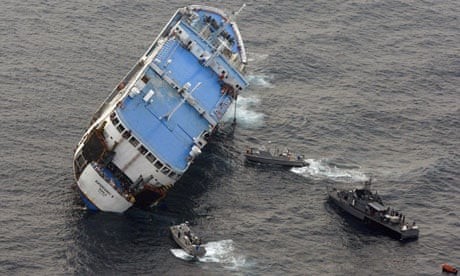
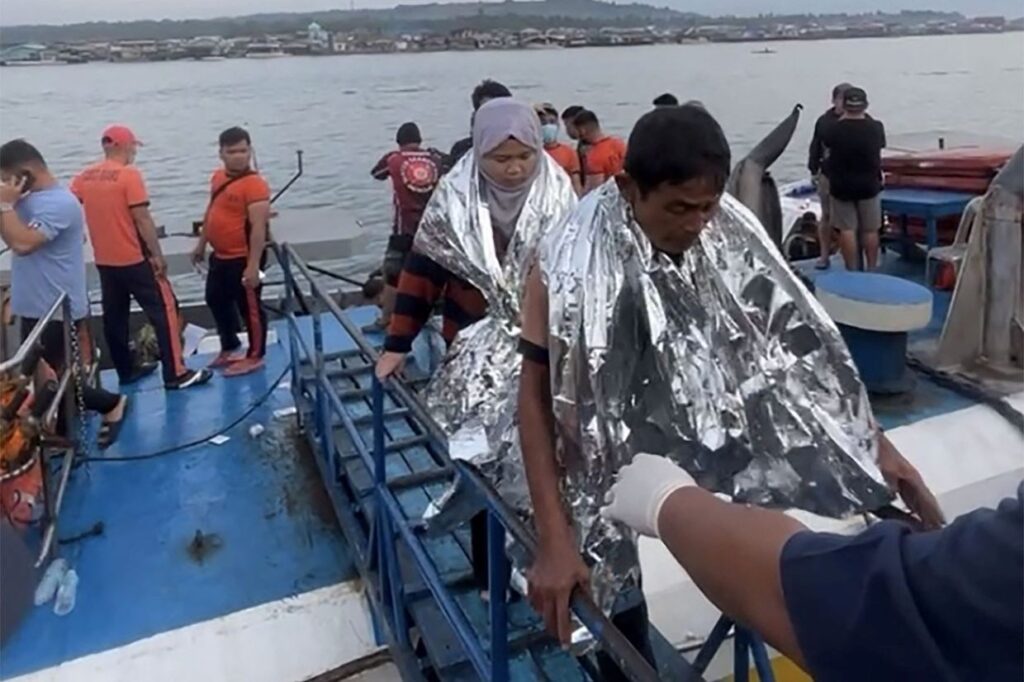
The MV Trisha Kerstin 3 departed Zamboanga City at 21:20 on Sunday, bound for Jolo in Sulu province, carrying 314 passengers and 27 crew members. The vessel’s authorized capacity was 352. At approximately 01:50 on Monday, about four hours into the voyage, the ferry transmitted a distress call. Strong seas had reportedly flooded the lower deck. Survivor accounts indicate that vehicle lashings failed, allowing cars to shift as waves struck the vessel. The resulting weight imbalance caused the ferry to list sharply to starboard. Despite passengers attempting to counterbalance the tilt, the vessel capsized and sank roughly 2.75 nautical miles northeast of Baluk-Baluk Island, coming to rest in 76 meters of water. Rescue operations began immediately. Coast Guard units, naval vessels, Air Force Black Hawk helicopters, commercial ships, and local fishing boats participated in the response. In difficult nighttime conditions, 316 people were rescued from the water. As of Thursday, the confirmed death toll stands at 29, including children. Eleven additional bodies were recovered after initial reports suggested ten people were missing, raising questions about the accuracy of early passenger counts.
Fleet-Wide Suspension Ordered
In response, Transport Secretary Giovanni Lopez ordered the immediate grounding of Aleson Shipping Lines’ entire passenger fleet. The decision follows revelations that the company has been involved in 32 safety-related incidents since 2019. The move represents one of the most severe enforcement actions taken against a domestic ferry operator in recent years. Authorities have launched a full investigation, with President Ferdinand Marcos Jr. directing regulators to complete a comprehensive safety audit within 10 days. The probe will examine: • Vehicle securing procedures • Passenger manifest accuracy • Crew training and emergency response • Compliance with maritime safety regulations
A Troubling Pattern
This is not the first fatal accident involving the operator. On 29 March 2023, the company’s MV Lady Mary Joy 3 caught fire near the same stretch of water while sailing the identical route. That incident claimed 29 lives, with seven people reported missing. The geographic proximity of both tragedies — and the identical route between Zamboanga and Jolo — has intensified scrutiny of operational standards and regulatory oversight.
Wider Implications for Domestic Shipping
The fleet suspension has disrupted daily transport links between Zamboanga City and island provinces such as Basilan and Sulu. Thousands of commuters, traders, and medical travelers rely on these ferries. To mitigate the disruption, the Maritime Industry Authority (MARINA) has invited other operators to deploy vessels on affected routes and temporarily relaxed sailing schedules to allow departures upon reaching capacity. The Philippine Coast Guard has pledged to assist stranded passengers during the suspension period. The tragedy also highlights broader structural challenges. The Philippines, with more than 7,000 islands, depends heavily on inter-island shipping. Yet the sector continues to grapple with: • Aging vessels • Maintenance gaps • Manifest discrepancies • Uneven regulatory enforcement The 1987 Doña Paz disaster — the deadliest peacetime maritime accident in history — remains a stark reminder of the stakes involved.
What Investigators Will Examine
As technical teams review wreckage data, maintenance records, cargo distribution logs, and crew training documentation, several operational questions emerge: • Were vehicle lashings adequate for expected sea conditions? • Were watertight integrity and drainage systems functioning properly? • Was passenger accounting accurate before departure? • Did emergency protocols trigger effectively once flooding began? For mariners, these are not abstract compliance points — they are frontline safety fundamentals.
Why This Matters
• For shipowners: Repeated safety failures now carry fleet-wide commercial consequences, including total suspension of operations. • For masters and crews: Vehicle securing, stability management, and passenger manifest control remain critical — especially in challenging sea states. • For regulators and operators: Pattern-based enforcement is becoming more assertive, and compliance history matters. • For the wider maritime community: Domestic ferry safety remains a systemic challenge in archipelagic nations, demanding stronger oversight and consistent enforcement.
For families of the 29 victims, the focus is on loss and accountability. For the maritime sector, the message is equally clear: safety lapses accumulate — and eventually, they trigger decisive action.