War Updates: Hormuz Pressure, Red Sea Risk — Maritime Conflict Deepens Across Chokepoints
War Update | Middle East Maritime Theatre
A key Iranian naval figure has been killed, Hormuz remains heavily constrained, global shipping costs are climbing, and a potential Red Sea escalation is emerging. Together, these developments are reshaping how ships move—and whether they move at all.
What’s Happening
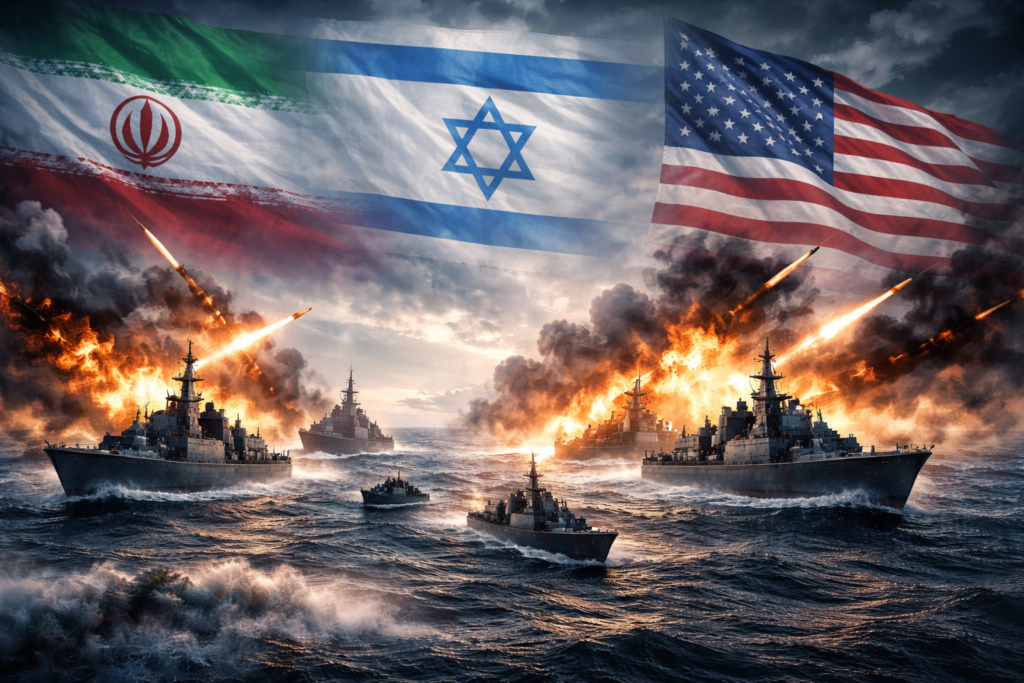
The reported killing of IRGC Navy chief Alireza Tangsiri in an Israeli strike marks a significant moment in the ongoing maritime confrontation. Long associated with Iran’s hardline posture in the Strait of Hormuz, Tangsiri played a central role in evolving tactics—from threats to direct control over commercial shipping.
Despite U.S. claims that Iran’s naval strength has been heavily degraded, the operational reality at sea remains tense. Shipping through Hormuz is still constrained, with vessels navigating under strict instructions, alternative routing, and heightened risk exposure.
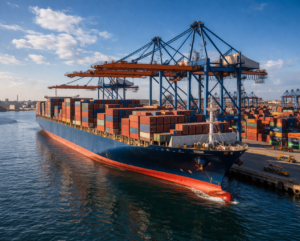
At the same time, major industry players are adjusting. Maersk has effectively signaled that Hormuz is no longer a reliable corridor for commercial transit in the near term. The company has scaled back Gulf operations, introduced emergency surcharges, and begun rerouting cargo across a mix of sea, land, and air alternatives.
Fuel supply chains are also under pressure. Disruptions to refinery output and exports are forcing vessels to bunker at alternative ports—often at significantly higher costs—adding another layer of volatility to voyage economics.
Meanwhile, attention is shifting westward. Yemen’s Houthi movement has indicated readiness to resume attacks in the Red Sea, potentially targeting the Bab al-Mandab Strait. If activated, this would reopen a second maritime front, further tightening global shipping lanes already strained by Hormuz disruptions.
Overlaying all of this is a shift in political tone. U.S. President Donald Trump has moved from confident assertions about keeping Hormuz open to acknowledging that Iran is actively influencing vessel movements—and may even be experimenting with transit controls.
U.S. Tone Shifts as Iran Tightens Grip on Hormuz
Washington is softening its stance as realities at sea take hold—Iran is actively controlling traffic through Hormuz.
U.S. President Donald Trump has moved from warnings to acknowledgment, admitting Iran is influencing vessel movements and allowing only limited transits. Reports indicate ships may even face informal transit controls or fees.
Traffic through the strait has collapsed—down as much as 90–95%—with most vessels avoiding the route amid security threats.
At Sea: Operational Impact
Hormuz effectively restricted: Traffic has dropped sharply, with only limited vessel transits under controlled conditions.
Routing uncertainty: Ships are being diverted, delayed, or held at intermediate ports as operators reassess risk exposure.
Cost escalation: Emergency bunker and freight surcharges are now being applied globally, not just regionally.
Fuel logistics disrupted: Bunkering strategies are shifting, with war-risk premiums becoming a standard factor.
Second chokepoint risk: Bab al-Mandab could emerge as the next disruption zone if Houthi attacks resume.
Naval dependence increasing: Merchant vessels are relying more on state-led guidance, escorts, and coordination.
Why This Matters
For shipowners & operators: Two critical chokepoints—Hormuz and potentially Bab al-Mandab—are now high-risk, forcing structural changes in routing and cost models.
For seafarers: Operating conditions are closer to wartime navigation, with stricter controls, higher stress levels, and evolving threat profiles.
For charterers & traders: Supply chain predictability is breaking down, particularly for energy cargo moving out of the Gulf.
For maritime strategy: Control of chokepoints—not open conflict—is becoming the dominant lever in this war.
Hormuz is unlikely to normalize quickly, with controlled transit replacing free navigation for now. If the Red Sea reopens as a conflict zone, global shipping could face simultaneous disruption across both ends of the Arabian Peninsula