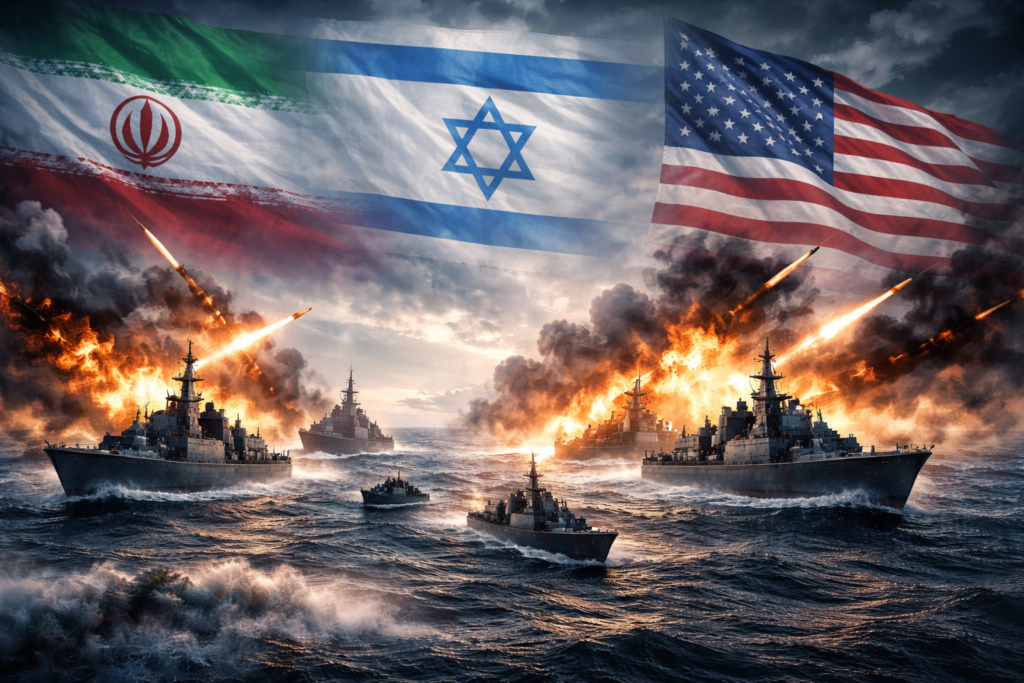
After weeks of escalating conflict in the Arabian Gulf, a temporary pause has emerged. The United States and Iran have agreed to a conditional two-week ceasefire, allowing vessels to once again transit the Strait of Hormuz under Iranian coordination.
The agreement follows more than a month of sustained military action involving U.S. and Israeli strikes on Iranian targets. The situation intensified sharply before the truce, with strong warnings from Donald Trump, underscoring the strategic and humanitarian stakes tied to the closure of Hormuz.
Under the terms of the ceasefire, Iran has permitted controlled maritime passage while putting forward broader political demands—including sanctions relief, access to frozen assets, and commitments around nuclear policy. Enforcement remains tight, with military oversight continuing on both sides.
However, while ships are moving again, confidence has not returned.
Major liner operators are proceeding with caution. Hapag-Lloyd has warned that a full normalization of Gulf shipping could take up to two months. Even with the ceasefire in place, the company describes the operating environment as unstable, with disruptions still rippling across global supply chains.
The financial toll is mounting. Hapag-Lloyd estimates weekly losses between $50–60 million due to rerouting, delays, and heightened security measures. Around 1,000 vessels remain stranded or delayed across the region, highlighting the scale of the operational backlog.
Other carriers, including Maersk, are taking a similarly cautious stance, reflecting industry-wide concern over crew safety and navigational risk in the chokepoint.
Adding to the uncertainty, geopolitical measures are expanding beyond the battlefield. Washington has announced potential 50% tariffs on countries supplying military equipment to Iran, a move that could further complicate global trade flows. While no specific nations have been named, the policy signals a widening economic dimension to the conflict.
Meanwhile, regulatory concerns are emerging from the maritime governance side. International Maritime Organization has warned against any attempt to impose transit tolls on vessels passing through the Strait of Hormuz. Iranian discussions around such measures have raised alarms, with the IMO stressing that international law under UNCLOS guarantees free passage through strategic waterways.