US Torpedo Sinks Iranian Warship Returning from Indian Naval Drill, Dozens Dead
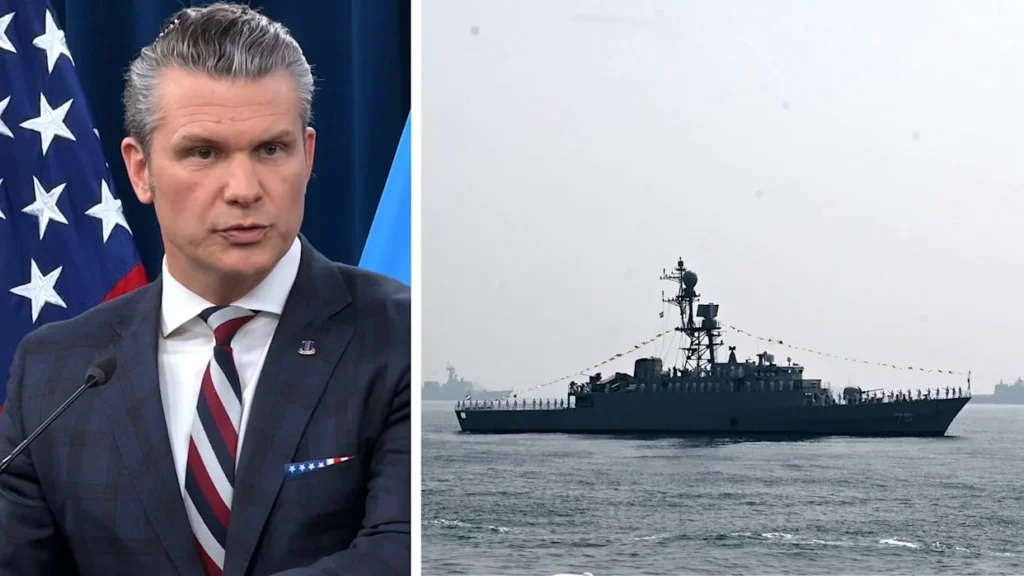
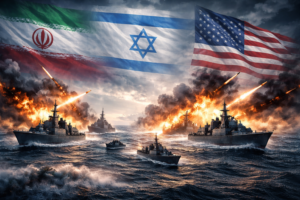
An Iranian warship, recently participating in a multinational exercise in India, was sunk by a U.S. torpedo in the Indian Ocean. The attack has raised regional security concerns and highlighted the risks for vessels operating near contested waters.
On March 4, the Iranian warship IRIS Dena was struck and sunk by a U.S. submarine in the Indian Ocean, marking the first U.S. torpedo sinking of an enemy vessel since World War Two. The incident occurred approximately 19 nautical miles off Galle, within Sri Lanka’s exclusive economic zone. The ship was returning to Iran after participating in the biennial MILAN naval exercise in India, which ran from February 16 to 26 near Visakhapatnam.
Rescue and Casualties
The Sri Lankan Navy launched search-and-rescue operations after a distress call from the warship. Bodies recovered: 87 sailors Survivors rescued: 32, treated for minor injuries Missing crew: ~10 still unaccounted for By the time rescuers arrived, the vessel had fully sunk, leaving only an oil slick on the surface. Role in the Indian Ocean Drill The IRIS Dena was one of 18 foreign warships participating in MILAN 2026, a multilateral exercise that included navies from Sri Lanka, Australia, Japan, Russia, and India. Over 70 countries sent delegations, including representatives from the United States and United Kingdom. India described MILAN as one of the largest naval exercises in the Indo-Pacific, designed to enhance interoperability, maritime domain awareness, and collective response capabilities. During the exercise, Dena participated in drills with other international ships and conducted port visits, including in Visakhapatnam, where videos of Iranian sailors marching through the city circulated online.
Regional Reactions
Iranian officials condemned the attack. Seyed Abbas Araghchi, Iran’s Foreign Minister, called Dena “a guest of India’s Navy” and criticized the U.S. for striking without warning in international waters. He warned that the United States “will bitterly regret the precedent it has set.” India has not officially commented, but the role of Sri Lanka in rescuing survivors received praise. Domestic political voices, including the Congress party, questioned the government’s silence, emphasizing the strategic implications of such attacks near Indian waters.
Why This Matters
High-risk waters for naval operations: Even routine transit in international waters can expose vessels to military engagement.
Implications for multinational exercises: Foreign warships participating in joint drills could face unexpected security threats.
Operational awareness for shipowners and crews: Civilian and auxiliary vessels in nearby areas may be indirectly affected by regional conflicts.
Regional maritime security spotlight: The incident underscores the strategic sensitivity of the Indian Ocean and the role of navies in safeguarding international shipping lanes.
The sinking of IRIS Dena demonstrates how regional military tensions can impact vessels even after participating in formal multinational exercises. For maritime professionals, it highlights the importance of situational awareness, contingency planning, and understanding security risks in strategic international waters. 🚢