US Allows Temporary Russian Oil Shipments to India as Energy Markets Tighten
The United States has issued a temporary waiver allowing sanctioned tankers carrying Russian crude to deliver cargoes to Indian refiners. The move comes as energy markets tighten following escalating tensions in the Middle East.
The United States has introduced a short-term exemption that allows sanctioned tankers transporting Russian crude to complete deliveries to India. The measure, announced through a licence from the Office of Foreign Assets Control (OFAC), applies to vessels that loaded cargo before March 5. Under the waiver, Indian refiners are permitted to receive shipments for a 30-day window, even if the tankers involved are part of the sanctioned fleet associated with Russia or Iran. The policy shift comes as global oil markets face renewed volatility following U.S. military action against Iranian targets and growing disruptions to shipping routes in the Gulf region.
A Temporary Adjustment to Stabilise Supply
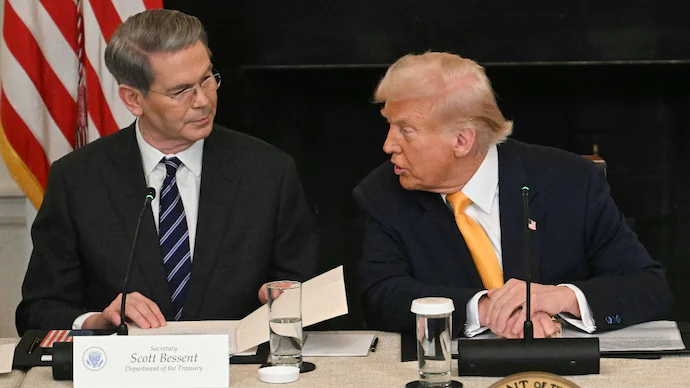
According to Scott Bessent, the U.S. Treasury Secretary, the waiver is designed as a short-term “stopgap” to prevent further stress in global oil markets. Officials in Washington argue that allowing previously loaded cargoes to reach their buyers will keep oil flowing into international supply chains without delivering meaningful financial gains to Moscow. In practical terms, the waiver ensures that millions of barrels of Russian crude already at sea can still reach refiners — particularly in India, which has become one of the largest buyers of discounted Russian oil since Western sanctions were introduced.
Implications for the Shadow Fleet
The decision indirectly affects vessels commonly referred to as the “shadow fleet” — tankers that transport sanctioned crude using opaque ownership structures, alternative insurance arrangements, or non-Western service providers. These ships have played a growing role in maintaining Russian oil exports since Western governments tightened restrictions following the Russian invasion of Ukraine. For the maritime sector, the waiver effectively creates a temporary legal pathway for some of these shipments to complete voyages that were already underway.
A Balancing Act for Energy Markets
The move highlights the difficult balance policymakers face: enforcing sanctions while avoiding sharp price spikes in the global oil market. Energy markets have already reacted nervously to rising geopolitical tensions and disruptions to shipping routes through key energy corridors. By allowing existing cargoes to reach their destinations, U.S. officials appear to be prioritising short-term market stability. However, the waiver is limited in scope and duration. After the 30-day period, sanctioned vessels will again face restrictions on delivering crude to international buyers under existing sanctions regimes.
Why This Matters
Short-term relief for energy markets: The waiver helps keep Russian crude flowing to major buyers, easing supply pressure during a volatile geopolitical period.
Operational clarity for tankers at sea: Vessels that loaded cargo before March 5 now have a legal pathway to complete voyages to Indian ports.
Shadow fleet dynamics: The decision temporarily legitimises shipments carried by vessels linked to the sanctioned tanker network.
Market signal for shipowners and traders: It highlights how sanctions enforcement can shift quickly when global energy security is at stake.
The temporary waiver reflects the complex intersection of geopolitics, sanctions, and energy security. While the move keeps oil moving in the short term, it also underscores how quickly regulatory conditions can change for tanker operators navigating sanctioned trade routes.