The ongoing Gulf tensions are creating an unexpected winner in the oil trade: sanctioned producers. According to market intelligence from Vortexa, crude from Russia, Iran, and Venezuela is increasingly compensating for reduced flows from key Gulf exporters such as Saudi Arabia, Kuwait, Iraq, and the UAE.
These “high-risk” barrels are not just filling a temporary gap—they are reshaping supply dynamics. Shipments of sanctioned crude have been rising steadily since the beginning of the year, maintaining strong volumes at sea even as global inventories are being drawn down at a faster pace.
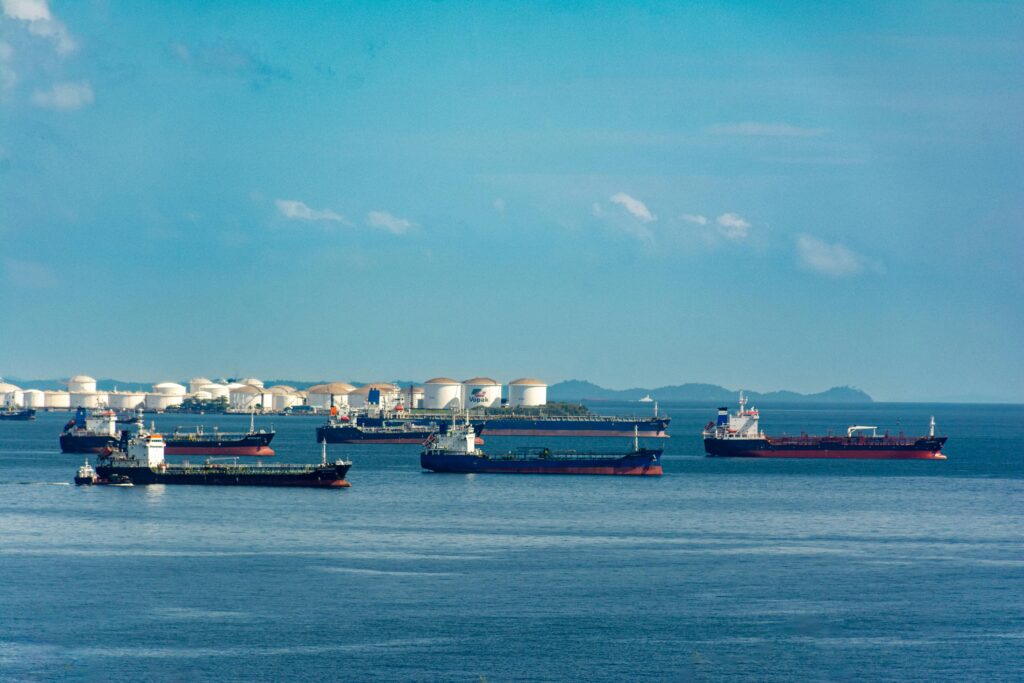
A notable shift has been the reactivation of floating storage. Partial easing of U.S. restrictions on Russian oil has encouraged buyers—particularly in Asia—to take in cargoes that were already sitting offshore. At the same time, Iranian exports have surged to multi-year highs despite geopolitical escalation, including U.S. strikes.
Asia has emerged as the critical demand center. With the Strait of Hormuz facing disruption risks, countries in the region are turning to alternative supply streams. Iranian crude—estimated at roughly 2 million barrels per day—is playing a stabilizing role, with the majority of volumes heading into China, where stockpiles remain robust.
Russian exports have also held steady, even amid infrastructure attacks affecting key Baltic ports. Meanwhile, refiners in both China and India have ramped up purchases, taking advantage of available cargoes and relatively relaxed enforcement windows. Venezuelan exports are also holding firm, supported by renewed commercial ties with U.S.-linked buyers.
At sea, the balance of flows tells its own story. Recent weeks have seen arrivals of sanctioned crude exceed departures by around 500,000 barrels per day, pointing to a steady drawdown of floating storage. As a result, sanctioned oil now accounts for roughly 17% of global crude supply—the highest share in at least two years.
Behind this shift lies the continued growth of the so-called “shadow fleet.” Tankers involved in sanctioned trades—often older vessels operating under opaque ownership and compliance structures—have expanded significantly. Vortexa estimates that more than 2,000 tankers are now engaged in moving these barrels, with over one-third of the global large tanker fleet having handled sanctioned crude at some point.