CMA CGM Orders LNG-Powered Ships in India and Launches Innovation Hub
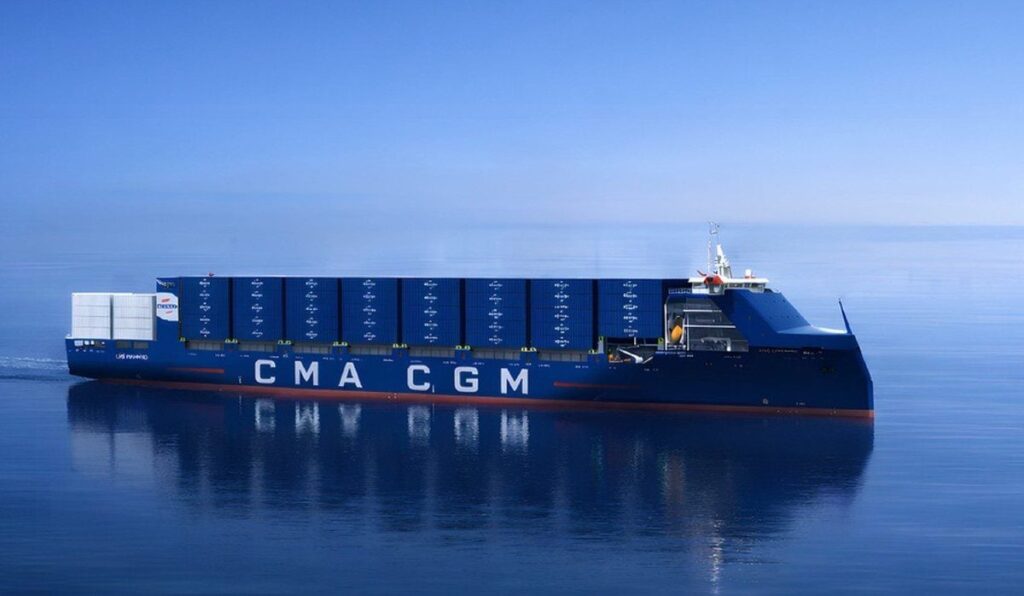
Global container shipping leader CMA CGM has placed a landmark order with Cochin Shipyard Limited for six LNG-powered containerships, each with a capacity of approximately 1,700 TEU. This marks CMA CGM’s first major shipbuilding contract in India and reflects growing confidence in India’s shipbuilding capabilities.
In addition to the vessel order, CMA CGM announced plans to establish a dedicated research and development (R&D) innovation hub in India. The center will focus on developing next-generation maritime technologies, including fuel efficiency systems, decarbonization solutions, and digital operational optimization.
These LNG-powered ships are designed to significantly reduce carbon emissions compared to conventional fuel vessels, supporting the company’s broader sustainability and net-zero strategy.
Technical and Strategic Focus Areas
1. LNG as a Transitional Fuel The use of LNG (Liquefied Natural Gas) reduces CO₂ emissions by up to 20–25% and significantly lowers sulfur oxides (SOx), nitrogen oxides (NOx), and particulate matter.
2. Shipbuilding Capability Expansion in India Partnering with Cochin Shipyard strengthens India’s position in global shipbuilding and supports domestic maritime manufacturing under strategic industrial initiatives.
3. Innovation-Driven Maritime Transformation The new R&D center will focus on:
Emissions reduction technologies
Vessel performance optimization
Digital fleet management systems
Alternative fuels and future propulsion technologies
Why This Matters
1. Accelerates Maritime Decarbonization LNG-powered vessels help shipping companies comply with environmental regulations such as International Maritime Organization emission targets and carbon intensity requirements.
2. Strengthens India’s Shipbuilding Ecosystem This order positions India as a competitive global shipbuilding hub and creates opportunities for technological growth, employment, and maritime innovation.
3. Supports Global Compliance and Efficiency Goals Energy-efficient ships reduce operating costs, improve CII ratings, and ensure compliance with IMO, EU ETS, and FuelEU Maritime regulations.
4. Expands Innovation in Maritime Technology The R&D hub enables development of advanced digital, fuel, and efficiency technologies essential for future regulatory compliance.
Industry Impact
This move signals a major shift in global shipbuilding geography and reinforces LNG’s role as a key transitional fuel. It also highlights India’s emerging role as a strategic partner in the global maritime decarbonization and innovation ecosystem.