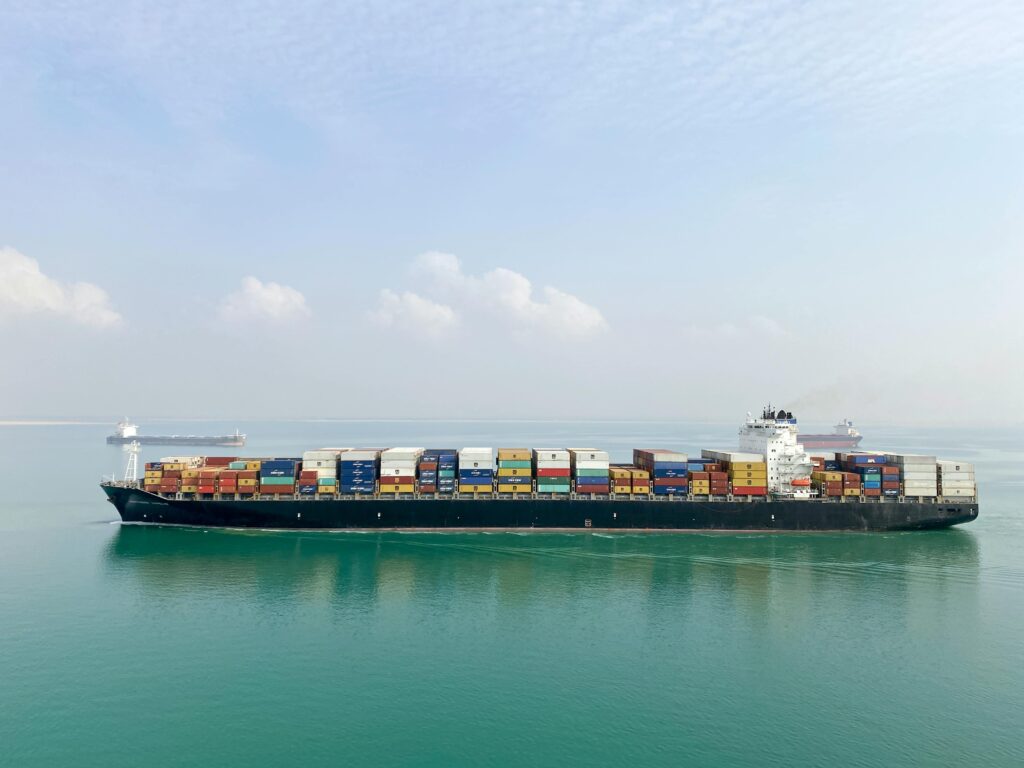
The global ship order book has reached levels not seen in nearly two decades, reflecting a strong cycle of newbuilding activity across the shipping industry. According to analysis from BIMCO, total orders stood at 191 million compensated gross tonnes (CGT) by the end of Q1 2026—equivalent to 17% of the existing fleet, the highest ratio since 2011.
At the center of this surge is the tanker sector. A sharp rise in contracting activity has pushed tanker orders to their strongest quarterly performance on record. Overall newbuilding orders increased 40% year-on-year in Q1, reaching 17.6 million CGT, with crude tanker contracts tripling compared to the same period last year. LNG carrier orders have also rebounded, reinforcing demand at the higher-value end of the market.
Tankers alone accounted for nearly one-third of all new orders—marking their largest share since 2017. This reflects a structural shift as owners prepare to renew aging fleets and position for continued volatility in global oil trades.
That renewal cycle is becoming increasingly urgent. Around 21% of the global crude tanker fleet and 17% of product tankers are now over 20 years old—an age bracket where maintenance costs rise and regulatory pressure intensifies. In contrast, the container and LNG segments remain relatively younger, though both are expected to see sustained long-term demand.
Looking at the broader picture, shipbuilding activity throughout the 2020s is running significantly above historical norms. Contracting volumes are nearly 50% higher than the average seen in the previous decade, supported by strong freight markets, expanding trade demand, and the need to modernize fleets for efficiency and emissions compliance.
However, this growth is not evenly distributed. Orderbook-to-fleet ratios are already elevated across key sectors—22% for crude tankers, 19% for product tankers, 37% for container ships, and as high as 40% for LNG carriers. This indicates a substantial volume of new tonnage set to enter the market over the next few years.
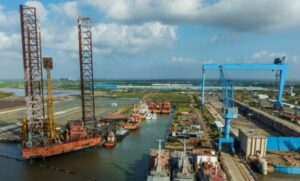
On the shipbuilding side, capacity is tightening. Chinese shipyards continue to dominate, securing roughly 70% of new orders in Q1. South Korean builders follow with about 20%, largely driven by LNG carrier specialization. Meanwhile, Japanese yards have seen their share fall sharply, constrained by limited capacity and declining competitiveness.
Despite the strong momentum, there are early signs of caution. Quarter-on-quarter contracting declined by 17%, largely due to a slowdown in dry bulk orders after a surge in late 2025. At the same time, rising newbuilding prices, longer delivery timelines, and geopolitical uncertainties—particularly around key chokepoints like the Red Sea and Strait of Hormuz—are beginning to influence ordering decisions.
Uncertainty around future fuel technologies is another factor. Owners are increasingly weighing propulsion choices carefully, balancing regulatory compliance with the risk of investing in systems that may become obsolete.