Rotterdam Expands Maasvlakte II Terminal to Add 1.4 Million TEU in Annual Capacity
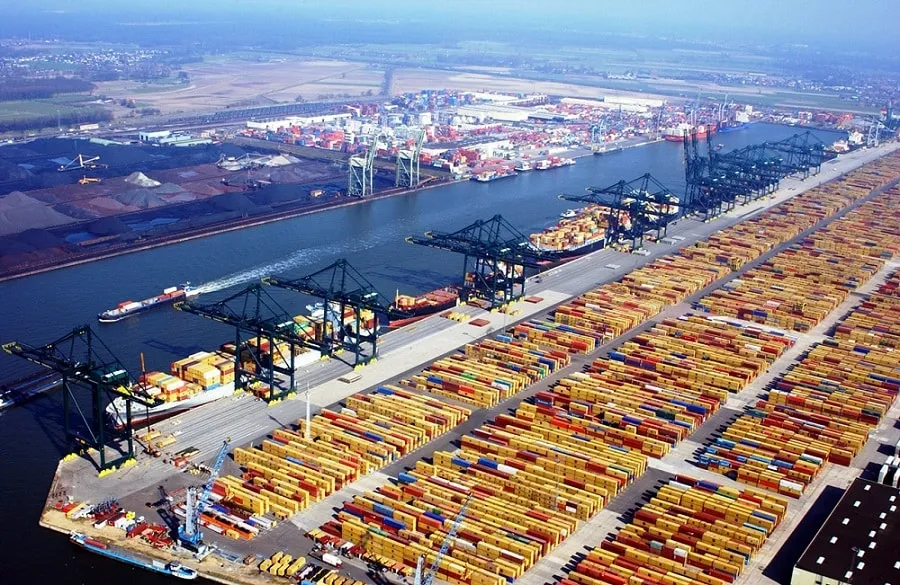
The Port of Rotterdam is preparing another major expansion of its container-handling infrastructure, with APM Terminals Maasvlakte II set to gain additional quay space and terminal capacity. The project aims to accommodate growing container volumes, strengthen European logistics networks and support the deployment of larger vessels.
Main Article
APM Terminals Maasvlakte II and the Port of Rotterdam Authority are moving ahead with a new expansion phase at one of Europe's major automated container terminals.
The development will add approximately 25 hectares of terminal space and 711 metres of additional quay, alongside supporting maritime and landside infrastructure.
Once completed, the project is expected to increase the terminal's annual handling capacity by approximately 1.4 million TEU, strengthening Rotterdam's ability to manage growing container traffic.
The expansion forms part of the terminal's long-term development at Prinses Amaliahaven, where investment in facilities has been progressing since 2008.
Construction is being organised in phases, allowing the existing terminal to remain fully operational while additional infrastructure is developed. The first phase has recently entered service.
Major Infrastructure Development
The project involves a coordinated division of responsibilities between APM Terminals and the Port of Rotterdam Authority.
APM Terminals Maasvlakte II will focus on developing terminal operations, while the Port Authority will prepare the construction site and deliver the required maritime infrastructure in cooperation with the terminal operator.
Key infrastructure works include:
- Extending the existing quay wall by approximately 711 metres.
- Extending the landside crane rail by 428 metres.
- Dredging approximately 1.3 million cubic metres of sand.
- Developing additional terminal space and supporting port facilities.
These improvements will provide additional capacity for deepsea container ships, feeder vessels and inland shipping operations.
The expanded facilities are intended to improve the terminal's ability to handle different vessel categories while supporting efficient cargo movement through the port.
Automation and Electrification Remain Central
Maasvlakte II is recognised for its highly automated terminal operations, incorporating electrified equipment, automated guided vehicles (AGVs) and remotely operated quay cranes.
The expansion will build on this operational model, supporting higher cargo-handling capacity through modern infrastructure and automated equipment.
For shipping companies and logistics operators, additional quay capacity and improved terminal infrastructure can help accommodate larger cargo volumes and support more efficient port operations.
Strengthening Rotterdam's Position in European Trade
APM Terminals Maasvlakte II Managing Director Harold Kunst described the project as another step in the terminal's long-term development, highlighting the importance of creating room for future growth while maintaining safe, reliable and efficient services.
Boudewijn Siemons, CEO of the Port of Rotterdam Authority, said the investment would strengthen Rotterdam's position as Europe's leading container port.
He also highlighted its importance for improving supply-chain resilience, supporting security of supply and maintaining the competitiveness of the Dutch economy.
Why This Matters
- For shipowners and operators: Additional quay capacity will provide more infrastructure to accommodate deepsea, feeder and inland vessels, supporting growing container traffic.
- For port operators: The project demonstrates how phased construction can increase terminal capacity without interrupting existing commercial operations.
- For seafarers: Increased terminal capacity and modernised infrastructure can support smoother vessel calls, although efficient port operations will continue to depend on coordination between ships, terminals and agents.
- For the maritime industry: Rotterdam's investment highlights the growing importance of automation, electrification and infrastructure development in maintaining the competitiveness of major European ports.
Conclusion
The Maasvlakte II expansion represents a significant investment in Rotterdam's future container-handling capabilities, adding both physical capacity and modern maritime infrastructure.
With another 1.4 million TEU of annual capacity planned, the project will further strengthen the port's role in Europe's international shipping and logistics network.
Source: Container News
Related Articles