Turkey is in active negotiations with Iranian authorities to secure passage for 11 Turkish-owned vessels currently held in or around the Strait of Hormuz—a key artery for global energy and commodity flows.
According to Transport Minister Abdulkadir Uraloglu, a total of 14 Turkish-owned ships are in the المنطقة, with three continuing operations such as power generation and not seeking immediate exit. The remaining vessels, however, are awaiting clearance as diplomatic discussions continue. Turkish authorities are maintaining regular communication with crews onboard.
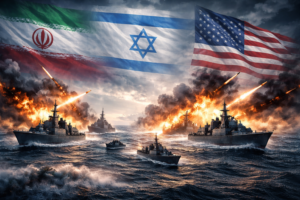
The situation follows the escalation of conflict that began on February 28, after which Iran effectively restricted transit through the strait. The disruption has had far-reaching implications—not only for oil and gas shipments, but also for bulk commodities including fertilizers and metals.
The Strait of Hormuz handles roughly 20% of global oil and gas trade, making any restriction a major concern for shipping markets and energy security. Since the start of the crisis, only one Turkish-owned vessel has been granted passage—reportedly due to its prior use of an Iranian port.
At the political level, Recep Tayyip Erdogan has warned of broader regional risks, highlighting the growing threat of escalation and the increasing frequency of retaliatory strikes targeting infrastructure, including transport and energy assets.
Market reactions have been swift. Brent crude prices have surged by approximately 42% since the outbreak of hostilities, reflecting supply concerns and heightened geopolitical risk. However, volatility remains high, with prices fluctuating on shifting expectations around the duration and scope of the conflict.
Signals from the United States have added further uncertainty, with indications that involvement in the conflict could be reassessed in the coming weeks—potentially influencing both security dynamics and market sentiment.