Increased Monitoring of Sanctioned and Shadow Fleet Vessels
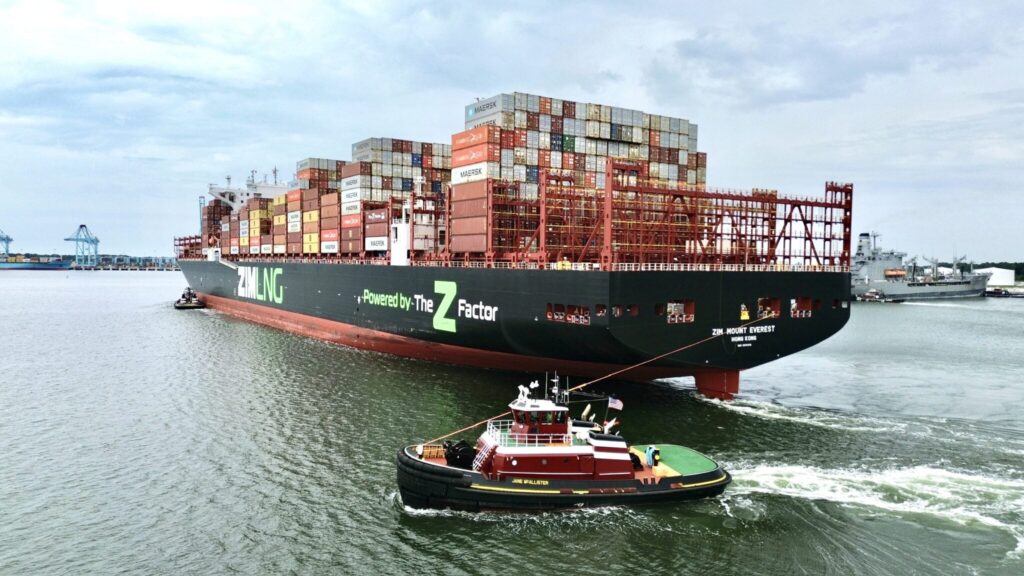
German container carrier Hapag-Lloyd is reportedly in discussions to acquire Israel-based ZIM Integrated Shipping Services. If completed, the deal would represent one of the most significant consolidation moves in the container sector in recent years.
Both companies operate globally across major East-West and regional trade lanes. A merger would strengthen network density, fleet deployment flexibility, and commercial leverage in a highly competitive and regulation-intensive market.
What the Deal Means Operationally
A combined fleet would allow:
Better vessel utilization across major trade routes
Optimized sailing speeds to improve CII ratings
Improved network planning and reduced ballast voyages
Stronger bargaining power in fuel procurement and alternative fuel sourcing
Fleet scale often translates into operational efficiency — particularly important under tightening carbon regulations.
Why It Matters to the Industry
1. Increased Market Concentration
The deal would further consolidate capacity among major global carriers, impacting freight rates and alliance structures.
2. Acceleration of Digital & Green Investments
Larger carriers are better positioned to invest in:
AI-driven voyage optimization
Digital fuel monitoring
Emissions reporting automation
Alternative fuel adoption
3. Regulatory Strategy Advantage
With stricter enforcement globally, scale helps carriers manage:
Carbon exposure under EU ETS
CII rating risks
Fuel transition cost
As connectivity becomes a strategic asset, the ability to carry secure, global communications in a backpack may redefine how mission-critical operations are supported — at sea and on land.