Tensions in the Gulf are now hitting shipping from every angle—costs, safety, and access. While some vessels are cautiously moving through Hormuz, the wider picture remains volatile and operationally complex.
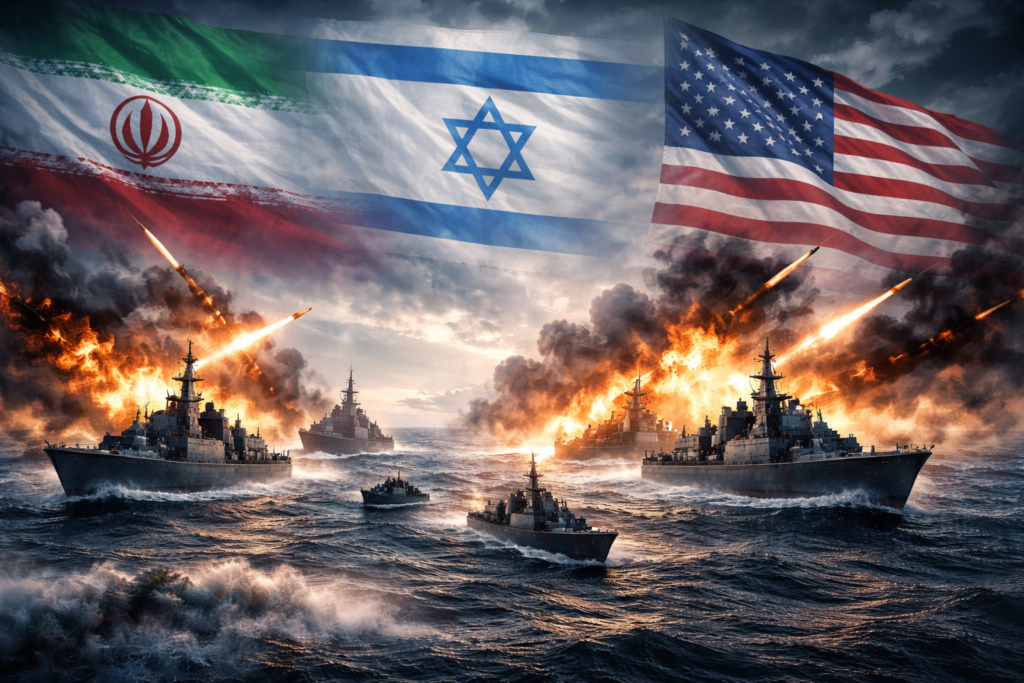
The ongoing conflict involving the United States, Israel, and Iran is reshaping maritime dynamics across the Gulf, with ripple effects now clearly visible in freight markets, vessel security, and fuel supply chains.
Freight Rates Climb as Fuel Shock Spreads
Intra-Asia container trades are beginning to feel the pressure. Rates have risen by around 10% in recent weeks, driven largely by surging bunker costs.
The root cause lies in the disruption of oil flows through the Strait of Hormuz, a corridor responsible for roughly one-fifth of global oil supply. With fuel oil flows constrained, Asian markets—heavily dependent on Middle Eastern imports—are facing tightening supply.
This has pushed very low sulphur fuel oil (VLSFO) prices sharply higher, widening the cost gap with high sulphur fuel oil (HSFO) to over $100 per tonne. For vessels without scrubbers, this translates directly into higher voyage costs.
Some bunker suppliers have reportedly declared force majeure on fixed contracts, forcing operators into the spot market at elevated prices. In response, carriers are passing costs downstream through higher freight rates and adjusting operations—most notably by reducing sailing speeds to manage fuel consumption.
At the same time, fleet inefficiencies are emerging. Around 1.5% of global capacity remains tied up in the Gulf, while rerouting and transshipment shifts are creating congestion risks at alternative hubs.
Security Risks Escalate Beyond Hormuz
Operational risks are no longer confined to the strait itself. A recent drone strike on the VLCC Al Salmi—a fully laden tanker carrying approximately 2 million barrels of crude—highlights the widening threat envelope.
The incident occurred off Dubai, where a fire broke out onboard but was contained without casualties or pollution. Additional reports from the UK Maritime Trade Operations indicate projectile activity near other commercial vessels in the region.
These events mark a renewed escalation after a brief lull, bringing the total number of reported maritime incidents in the Area to over 20 since late February.
The implications are immediate: elevated war-risk premiums, reduced confidence in Gulf transits, and continued hesitation among operators considering voyages through the area.
Selective Transit Offers Limited Relief
Despite the risks, some movement through the Strait of Hormuz has resumed under controlled conditions.
India-bound LPG carriers, including BW Tyr and BW Elm, have successfully transited the chokepoint, carrying critical cargoes toward ports such as Mumbai. These voyages were permitted under Iran’s policy allowing passage for “non-hostile” vessels that coordinate with authorities.
So far, a handful of Indian-flagged LPG vessels have completed the crossing, while others remain in the western Gulf awaiting clearance. India’s heavy reliance on Middle Eastern LPG—accounting for roughly 90% of imports—makes these movements strategically important.
However, traffic levels remain far below normal, and each transit is effectively a negotiated operation rather than routine passage.
Geopolitics Keeps Markets on Edge
Political signals continue to shape the outlook. Donald Trump has indicated that negotiations with Iran may be possible, but also warned of potential escalation targeting critical infrastructure if shipping routes are not reopened.
This uncertainty is feeding volatility in energy markets, with Brent crude prices remaining elevated and reactive to every diplomatic development.
For shipping, the result is a highly fluid risk environment—where routing decisions, fuel procurement, and chartering strategies must be constantly reassessed.
Why This Matters
Fuel costs are driving freight: Bunker price spikes are now directly impacting even short-haul intra-Asia trades.
Security risks are expanding: Attacks beyond Hormuz increase exposure across a wider operating area.
Transit is conditional, not guaranteed: Passage depends on political alignment and coordination, not freedom of navigation.
Operational complexity is rising: Slower speeds, rerouting, and congestion are reducing effective fleet capacity.
The Gulf situation is no longer a localized disruption—it’s a system-wide shock to shipping. For operators and crews, adaptability and real-time risk assessment are now essential to staying operational.