Energy Markets Jolt as Middle East Conflict Disrupts Oil, LNG and Global Shipping
A sudden escalation in the Middle East has rattled global energy markets and brought a critical maritime corridor to a near halt. With tanker traffic disrupted and major producers cutting output, the effects are already rippling through fuel prices, freight markets, and global supply chains.
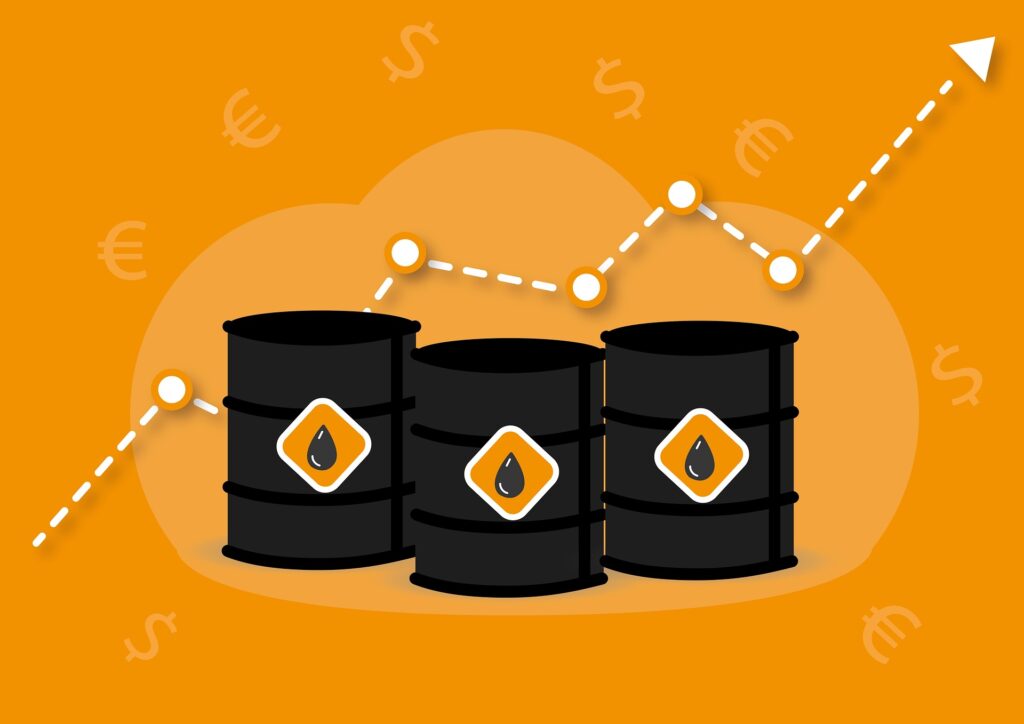
Energy markets reacted sharply this week as fighting involving the United States, Israel, and Iran disrupted oil production and maritime trade across the Gulf region. Benchmark Brent crude oil surged almost 8% on Tuesday to above $83 per barrel, its highest level since mid-2024. Since the outbreak of hostilities last week, prices have climbed more than 15%. Natural gas markets were equally volatile. European gas prices briefly spiked by up to 40%, compounding another major jump a day earlier. Commodity markets beyond energy — including sugar, fertilizers, and soybeans — also moved higher as traders priced in broader supply chain disruptions. At the heart of the turmoil is the closure of the Strait of Hormuz, one of the world’s most critical energy shipping lanes. The waterway carries roughly 20% of global oil and LNG supply, making any disruption immediately visible in energy markets.
Shipping Through Hormuz Nearly Stops
Traffic through the strait has been suspended for several days after attacks on commercial vessels. Iranian strikes reportedly targeted five ships, prompting a shutdown of navigation and triggering security alerts across the region. Vessel-tracking data shows tanker movements collapsing almost overnight. Only four crude tankers transited the strait on March 1 — compared with an average of around 24 vessels per day earlier this year. Three of those ships were Iranian-flagged. The disruption has left hundreds of oil and LNG tankers stranded near major export hubs such as Port of Fujairah in the United Arab Emirates, unable to proceed toward customers in Asia or Europe.
Production Cuts Spread Across the Region
Producers across the Gulf are already responding to the shipping disruption by scaling back operations. In Iraq, the world’s second-largest producer within OPEC, officials warned that production could fall by more than 3 million barrels per day if tankers cannot safely reach export terminals. Some reductions have already begun: Output at the Rumaila Oil Field has been cut by about 700,000 barrels per day. Production at West Qurna 2 Oil Field has been reduced by 460,000 barrels per day. Elsewhere in the region, the supply picture is tightening rapidly. Qatar, one of the world’s largest LNG exporters, has temporarily shut down major liquefied natural gas facilities that normally account for about 20% of global LNG supply. Meanwhile Saudi Arabia suspended operations at its largest domestic refinery.
Infrastructure and Port Operations Under Pressure
Energy infrastructure across the Gulf is also facing security threats. A drone strike hit a fuel storage tank at the commercial port in Duqm Port in Oman, while a fire broke out in Fujairah — one of the region’s most important oil storage and bunkering hubs. The incidents disrupted refueling operations for ships and could shift bunkering demand toward alternative hubs such as Singapore. Saudi energy giant Saudi Aramco is attempting to bypass the Gulf by rerouting crude exports to its Red Sea terminal at Yanbu Port. However, the East-West pipeline that feeds the port has limited capacity and could become a potential target if the conflict expands.
Global Supply Chains Start to Feel the Impact
The disruption is already cascading through global energy consumers. In China, several refiners have begun shutting down processing units due to uncertainty around crude supply. In India, authorities have started rationing natural gas supplies to industrial users after LNG shipments from Qatar were halted. For Europe, the situation is particularly delicate. The region relies heavily on imported energy and must replenish depleted reserves after a cold winter — a challenge made more difficult after the reduction of Russian gas flows following the 2022 Russian invasion of Ukraine.
Political and Economic Fallout
Higher fuel prices are also starting to show up at the pump in the United States, where gasoline has risen above $3 per gallon for the first time in months. The spike poses political challenges for Donald Trump, whose administration had previously highlighted falling fuel costs as a key economic achievement. U.S. officials, including Treasury Secretary Scott Bessent, Energy Secretary Chris Wright, and Secretary of State Marco Rubio, are expected to announce measures aimed at stabilizing domestic energy prices. Security Risks Remain High Security analysts are now closely monitoring Iran’s remaining stockpile of missiles and drones to determine how long attacks on energy infrastructure and shipping could continue. Regional states including Saudi Arabia, United Arab Emirates, Oman, and Kuwait have so far intercepted most incoming projectiles targeting ports, airports, and energy facilities. However, defense experts warn that prolonged conflict could strain regional air-defense systems and further threaten maritime routes.
Why This Matters
Shipping risk is escalating: Closure of the Strait of Hormuz directly threatens tanker routes that move roughly one-fifth of the world’s energy supply. War-risk premiums and freight rates are already surging.
Operational uncertainty for shipowners: Tankers are stranded near Gulf export hubs, creating delays, charter disruptions, and potential congestion once the route reopens.
Fuel and bunker costs could spike: Rising oil prices and disrupted refinery operations will likely push bunker prices higher across major ports.
Energy supply chains are tightening: LNG shutdowns and production cuts mean import-dependent regions — especially Europe and Asia — may face supply shortages if the conflict drags on.