Devon Bay Sinks with Suspected Nickel Ore Liquefaction: A Familiar Warning for Bulk Shipping
What Happened Off Scarborough Shoal
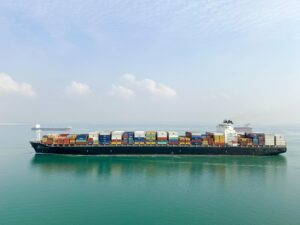
On January 23, the Singapore-flagged bulk carrier Devon Bay went down while sailing from the Philippines to China with 55,000 tonnes of nickel ore onboard.
The vessel issued a distress signal late on January 22. Rough seas were reported in the area.
According to Philippine Coast Guard Commandant Admiral Ronnie Gil Gavan, early statements from crew members suggest the cargo’s moisture content may have exceeded safe limits. The load reportedly shifted suddenly to port, severely compromising the vessel’s stability.
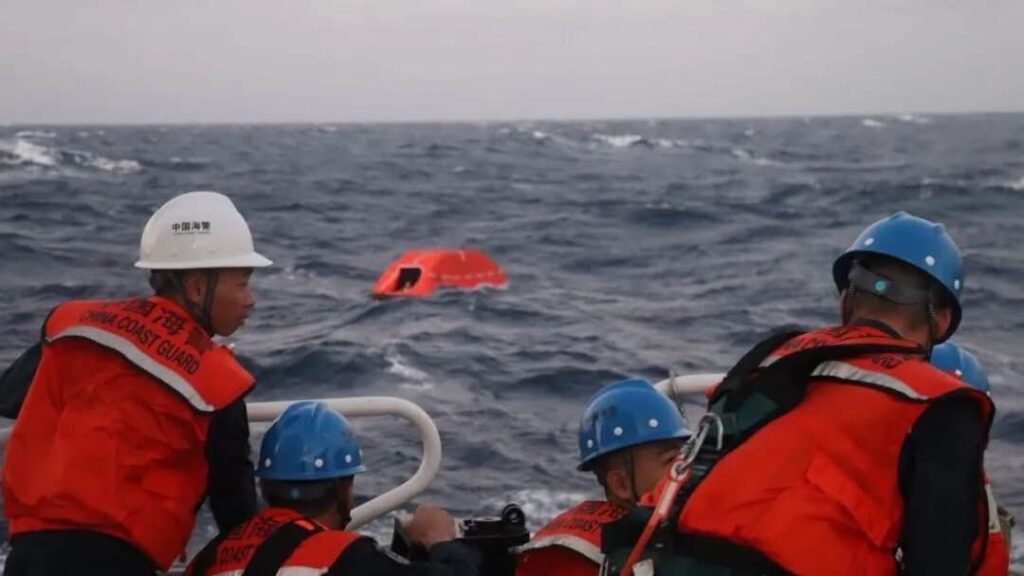
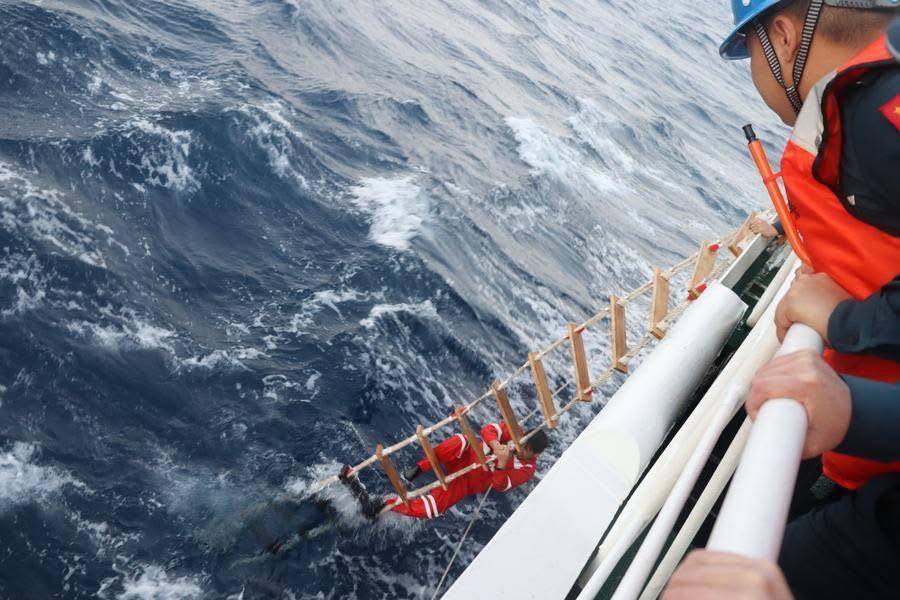
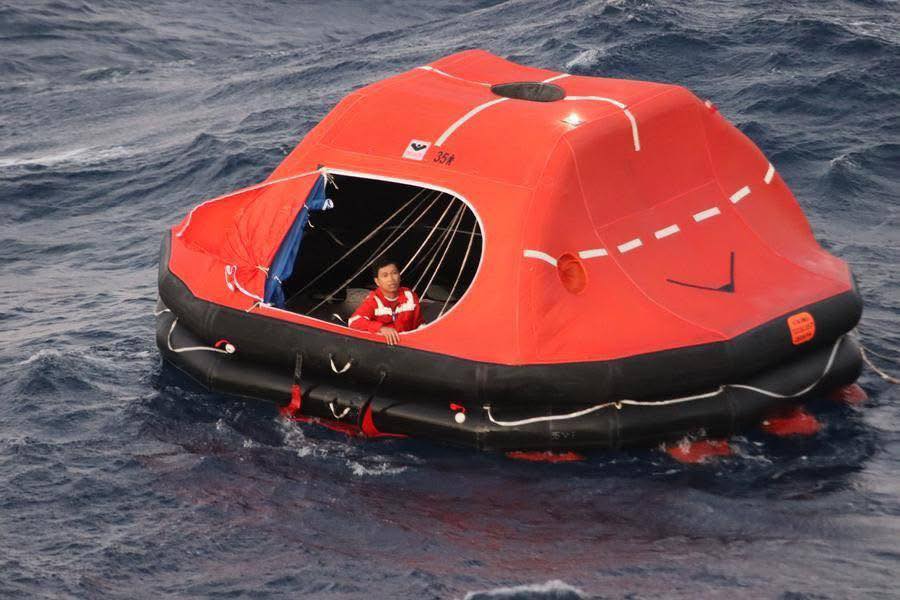
Seventeen of the 21 Filipino crew members were rescued in a joint operation involving Chinese and Philippine authorities. Two later died from their injuries. Four seafarers remain missing.
The Philippine Coast Guard confirmed the transfer of 15 survivors and two deceased crew members approximately 168 nautical miles west of Tambobong, Pangasinan, on January 25.
The Maritime and Port Authority of Singapore, as flag state, has opened a formal investigation. At this stage, liquefaction remains the leading suspicion — though not yet conclusively confirmed.
When Solid Cargo Behaves Like Liquid
Nickel ore is classified under the IMSBC Code as a Group A cargo — meaning it can liquefy if its moisture content exceeds its Transportable Moisture Limit (TML).
Liquefaction occurs when vibration and ship motion cause saturated fine particles to lose shear strength. What appears stable in port can suddenly behave like fluid at sea.
The result is often catastrophic. Cargo shifts rapidly, the vessel develops a severe list, and stability can be lost within minutes. There is frequently little time for corrective action.
INTERCARGO has previously described nickel ore as “the world’s most dangerous cargo.”
Between 2010 and 2011, at least four ships were lost to nickel ore liquefaction, with 66 seafarers killed. In 2013, Trans Summer sank off Hong Kong carrying 57,000 tonnes of Indonesian nickel ore.
After Indonesia imposed an export ban on unprocessed ore in 2014, incidents declined. But when exports resumed in 2017, industry bodies warned that stockpiled ore exposed to prolonged tropical rainfall could present heightened moisture risks.
That warning now feels uncomfortably relevant.
A Rescue Across Political Fault Lines
The sinking occurred near Scarborough Shoal — a geopolitically sensitive area controlled by China since 2012, despite a 2016 arbitration ruling rejecting Beijing’s territorial claims.
Yet in this case, operational cooperation prevailed. Chinese and Philippine Coast Guard units coordinated search and rescue efforts, underscoring that maritime safety can — and must — transcend political disputes.
For seafarers, SAR coordination matters more than sovereignty lines.
The Bigger Question: Are Controls Enough?
Nickel ore shipments today are governed by stricter IMSBC testing requirements, moisture certification procedures, and shipper documentation protocols than a decade ago.
But compliance is only as strong as:
Accurate sampling
Independent testing
Transparent declarations
Master’s authority to reject unsafe cargo
Commercial pressure remains a persistent factor in high-demand trades such as nickel, which feeds the global stainless steel and EV battery supply chains.
The Devon Bay casualty raises a difficult but necessary question: can procedural safeguards fully neutralize liquefaction risk — or does this cargo inherently carry a residual danger that must be managed with extreme vigilance every time?
Investigators will determine the technical causes. But operationally, the risk profile is already well known.
Why This Matters
For Masters and Chief Engineers: Stability margins can disappear rapidly. Moisture documentation must be scrutinized — and authority to delay loading must be exercised when doubt exists.
For Shipowners and Operators: Due diligence in cargo acceptance, third-party testing, and charterparty protections is not optional — it is a risk-management imperative.
For Charterers and Traders: Commercial timelines cannot override TML compliance. Liability exposure in liquefaction cases is severe and long-lasting.
For the Industry: Nickel ore remains a critical commodity in the energy transition supply chain. Safe transport practices must evolve as demand grows.
The loss of Devon Bay is not an isolated event. It is part of a pattern the industry has seen before.
India’s Great Eastern Shipping Co. is carrying out their Product Tanker fleet renewal initiative, and sources have confirmed that they have managed to sell another vintage MR Tanker – Jag Pranav.
The Jag Pranav is a 30,095 GT Oil Product Tanker first commissioned on 5th January, 2005.