Arctic Shipping Activity Surges to Historic Levels
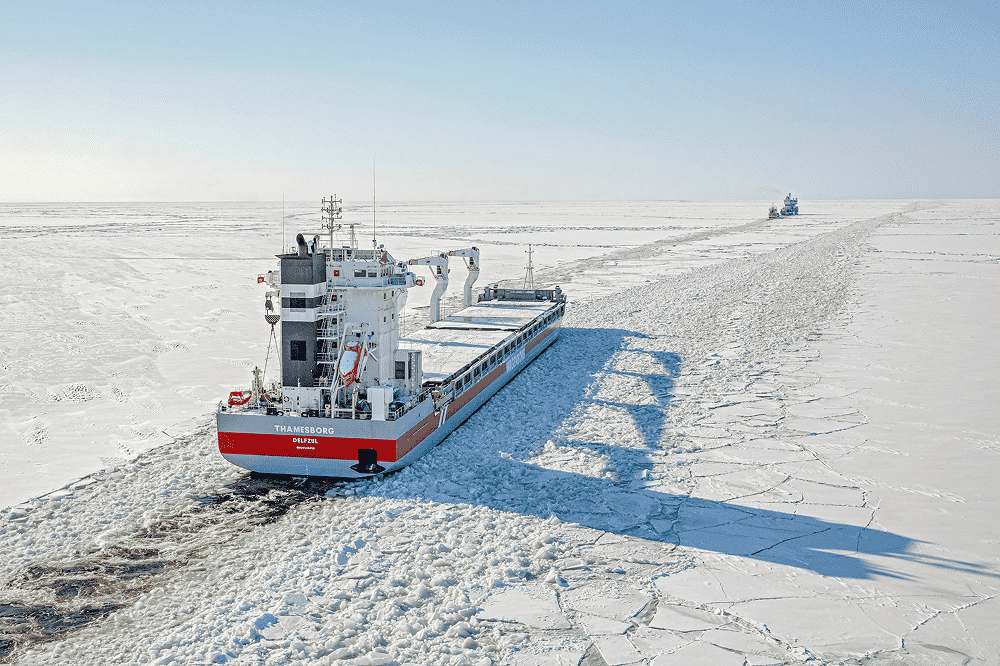
Ship traffic in the Arctic reached a record high in 2025, according to newly released maritime data. The increase reflects growing commercial, energy, and logistics activity across northern sea routes, driven by expanding resource development and evolving global trade patterns.
The Arctic, once considered a seasonal and high-risk shipping region, is rapidly becoming a more active maritime corridor. Advancements in ice-class vessel technology, satellite navigation, and icebreaker support have enabled safer and more frequent vessel operations throughout the year.
Northern Sea Routes Gain Strategic Importance
Shipping companies are increasingly using Arctic routes, particularly the Northern Sea Route (NSR), to reduce transit distance between Asia and Europe. Compared to traditional routes via the Suez Canal, Arctic passages can shorten voyage distances by up to 30–40%, reducing fuel consumption, transit time, and operational costs.
This makes Arctic routes strategically valuable for:
Container shipping and cargo transport
Energy exports including LNG and oil
Resource transportation from Arctic mining and drilling projects
Regulatory Oversight Under the Polar Code Becomes Critical
The increase in vessel traffic places greater emphasis on compliance with the International Maritime Organization’s Polar Code, which governs safety and environmental protection in polar waters.
The Polar Code requires ships operating in Arctic conditions to implement:
Enhanced vessel structural standards
Ice-navigation training for crew
Specialized safety equipment
Environmental protection procedures
These measures aim to reduce the risks of accidents, pollution, and environmental damage in the fragile Arctic ecosystem.
Operational and Environmental Risks Remain Significant
Environmental risks are also a major concern, as accidents or oil spills in Arctic waters would have severe long-term ecological consequences.
Why This Matters
The record growth in Arctic shipping signals a major shift in global maritime trade routes and operational strategy. As Arctic routes become more commercially viable, shipping companies must ensure full compliance with safety and environmental regulations while managing operational risks.
This trend highlights the increasing importance of:
Digital voyage planning and route optimization
Real-time vessel monitoring and compliance systems
Emissions tracking and regulatory reporting
Advanced vessel design and fuel efficiency technologies
For maritime operators, Arctic expansion represents both an opportunity to improve efficiency and a challenge to maintain strict safety and environmental compliance in one of the world’s most demanding operating environments.
Hosting the International Fleet Review, MILAN, and IONS together is more than ceremonial — it is a strong signal of India’s maritime ambition, technological capability, and diplomatic engagement in the global maritime ecosystem. The events underline the growing importance of naval cooperation, digital transformation, and regional security alignment in today’s complex maritime environment.