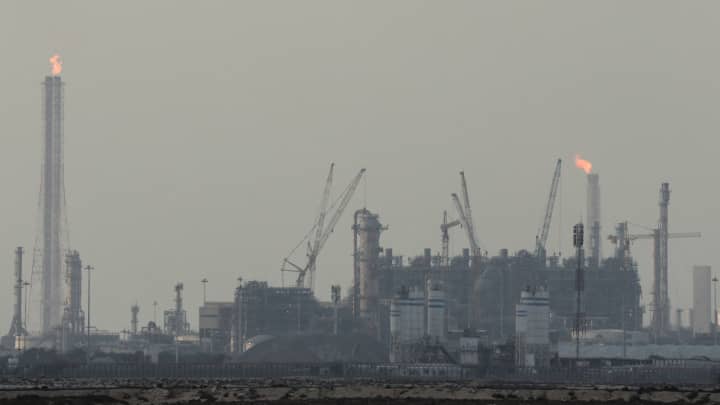
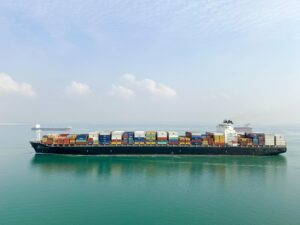
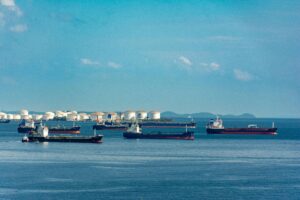
Global gas markets have been jolted following missile strikes on Qatar’s Ras Laffan Industrial City—a facility responsible for roughly 20% of the world’s liquefied natural gas (LNG) supply.
Operated by QatarEnergy, Ras Laffan is the backbone of Qatar’s LNG exports, supplying fuel used globally for power generation, heating, and industrial use. The site also houses storage infrastructure, a refinery, and the Pearl gas-to-liquids plant operated by Shell.
The attacks—linked to escalating regional conflict involving Iran—have caused extensive damage, including fires and significant disruption to LNG processing facilities. As a result, Qatar’s LNG export capacity has dropped by approximately 17%, with estimated revenue losses of around $20 billion annually.
The timeline for recovery is long. Officials indicate repairs could take between three to five years, effectively removing a substantial portion of global LNG supply from the market for the foreseeable future.
This disruption is already feeding into prices. UK gas surged to nearly 183 pence per therm before easing slightly, while European benchmarks climbed more than 10% in a single day. The upward trend had already begun earlier in the الأزمة, but the Ras Laffan strike has accelerated concerns around prolonged supply shortages.
From a supply chain perspective, the implications are significant. Qatar’s LNG exports are heavily tied to both European and Asian markets. With production offline, buyers will need to source alternative cargoes—likely increasing competition for available LNG and tightening vessel availability.
The situation is further complicated by geography. Ras Laffan sits near the shared North Dome/South Pars gas field between Qatar and Iran—one of the largest gas reserves globally—making the المنطقة both strategically vital and highly vulnerable.
Energy analysts now warn that earlier expectations of a short disruption are no longer realistic. Instead, the market is bracing for sustained tightness, with limited ability to replace lost volumes quickly.