The Ecosailor

Texas Set to Become America’s New Icebreaker Hub as Davie Launches Major Shipyard Expansion

Back

Texas Set to Become America’s New Icebreaker Hub as Davie Launches Major Shipyard Expansion

Texas Set to Become America’s New Icebreaker Hub as Davie Launches Major Shipyard Expansion

$1 Billion Investment Signals New Momentum for U.S. Shipbuilding and Arctic Fleet Growth

The United States has taken another step toward strengthening its Arctic capabilities, with Davie Defense beginning a major modernization program at shipyard facilities in Texas. The project is expected to transform the state’s shipbuilding landscape while supporting the construction of the U.S. Coast Guard’s future fleet of Arctic Security Cutters.

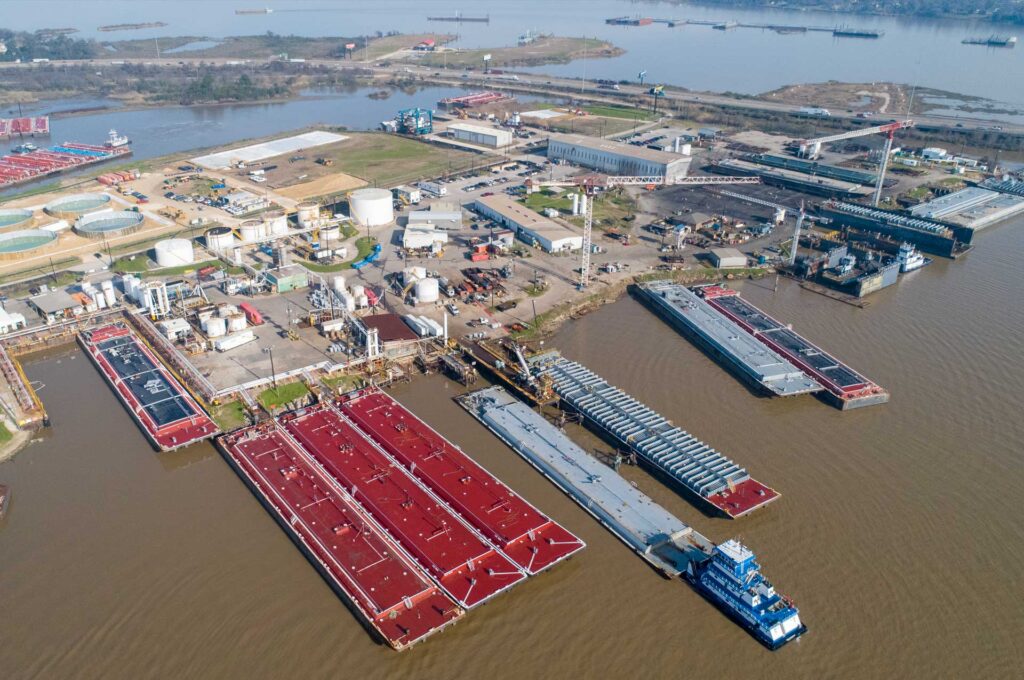
The groundbreaking ceremony, held at Gulf Copper’s facilities in Galveston and Port Arthur, marks the start of an ambitious expansion program that could attract up to $1 billion in investment over the coming years.

At the heart of the project is the Coast Guard’s effort to significantly increase its icebreaking capacity as geopolitical competition intensifies in Arctic waters.

Building the Next Generation of Arctic Vessels

The upgraded Texas shipyards will play a critical role in delivering the Coast Guard’s new Arctic Security Cutters. The first phase of modernization is expected to be completed by 2028, coinciding with the planned start of domestic construction activities. Under Davie Defense’s $3.5 billion agreement with the Coast Guard, the first two vessels will be built at the company’s affiliated shipyard in Helsinki, Finland. Once the Texas facilities are fully prepared, production will shift to the United States, allowing future vessels to be constructed domestically. The Coast Guard ultimately plans to field an 11-vessel Arctic Security Cutter fleet, with Davie currently contracted to deliver five of those ships.

Why Icebreakers Matter More Than Ever

The Arctic has become a strategic region for global trade, energy development, and national security. Russia continues to operate the world’s largest icebreaker fleet, while China has steadily increased its Arctic activities and investments. Against this backdrop, U.S. policymakers have identified the need to modernize and expand America’s limited icebreaking capability. The current fleet relies heavily on a small number of vessels, including the aging heavy icebreaker Polar Star, the medium icebreaker Healy, and the recently commissioned Storis. The Arctic Security Cutter program is intended to provide the Coast Guard with modern vessels capable of operating year-round in some of the world’s most challenging environments.

A Revival of American Shipbuilding

Beyond the icebreaker program, the Texas investment represents a broader effort to rebuild U.S. shipbuilding capacity. Davie has described the future Texas operation as an “American Icebreaker Factory,” combining domestic manufacturing with expertise from Finland’s renowned Helsinki Shipyard, widely regarded as one of the most experienced icebreaker builders globally. The project also aligns with ongoing U.S. government initiatives aimed at revitalizing the maritime industrial base, strengthening supply chains, and reducing dependence on foreign shipbuilding capabilities. Texas officials have embraced the development as a significant opportunity for industrial growth, workforce development, and long-term maritime investment.

Supporting a Broader Maritime Ecosystem

The expanded facilities will not only support future icebreaker construction but also contribute to other major maritime projects. Gulf Copper is currently involved in the restoration of the historic battleship Texas, which was featured during the groundbreaking ceremony as a symbol of the state’s maritime heritage. As the United States seeks to narrow the shipbuilding gap with global competitors, investments such as this are expected to play a central role in rebuilding domestic expertise and production capacity.

Why This Matters

  • Stronger Arctic presence: New Arctic Security Cutters will enhance the Coast Guard’s ability to operate in increasingly strategic polar regions.
  • Boost for U.S. shipbuilding: The project marks the return of large-scale complex ship construction to Texas after decades of limited activity.
  • Opportunities for maritime professionals: The expansion is expected to create demand for shipbuilders, engineers, suppliers, technology providers, and maritime service companies.
  • Industrial resilience: Expanding domestic shipbuilding capacity reduces reliance on foreign yards and strengthens national maritime infrastructure.
Davie’s Texas expansion is more than a shipyard upgrade—it is a long-term investment in America’s maritime future. As Arctic competition grows and demand for specialized vessels increases, the project could become a cornerstone of both U.S. icebreaker production and broader shipbuilding revitalization efforts.
Leave a Comment

Your email address will not be published. Required fields are marked *

Leave a Comment

Your email address will not be published. Required fields are marked *