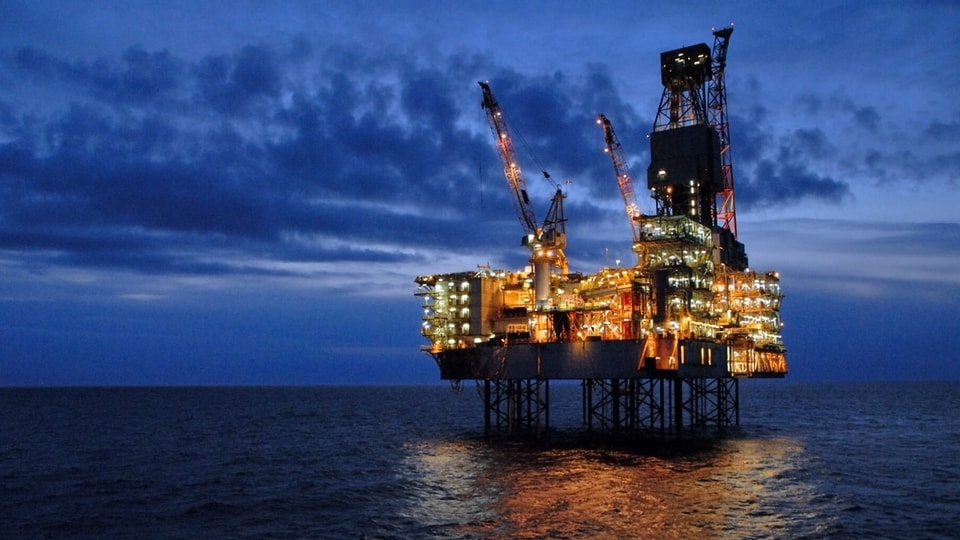
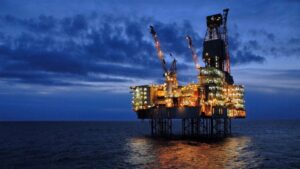
Iran has resumed gas production from three offshore platforms in its massive South Pars gas field, marking a significant step toward restoring energy operations disrupted by recent regional tensions.
The restart comes after production was temporarily halted when Israeli attacks affected the functioning of several onshore gas processing facilities connected to the field. While the offshore platforms themselves remained intact, limitations at downstream processing plants forced operators to suspend output.
According to Touraj Dehqani, Chief Executive of Pars Oil and Gas Company, production from the three offshore installations has now been restored. Instead of relying on the damaged facilities, gas from these platforms is being redirected to alternative processing plants across the region.
One of the key facilities still undergoing repairs is the Phase 14 refinery, which was impacted during the attacks. Until restoration work is completed, operators are using available processing capacity elsewhere to maintain production levels and minimize disruptions.
The development highlights the operational flexibility built into Iran’s gas infrastructure, allowing production to continue even when parts of the processing network are affected. For a field as strategically important as South Pars, maintaining output is critical not only for domestic energy supply but also for broader regional energy stability.
South Pars, shared between Iran and Qatar, is the world’s largest natural gas field and remains a cornerstone of Iran’s energy sector. Any disruption to production or processing capacity at the field is closely monitored by global energy markets and shipping stakeholders due to its potential impact on gas supply flows and regional energy security.