Back
Explosive Devices Found on LPG Tanker Raise New Security Concerns in the Baltic
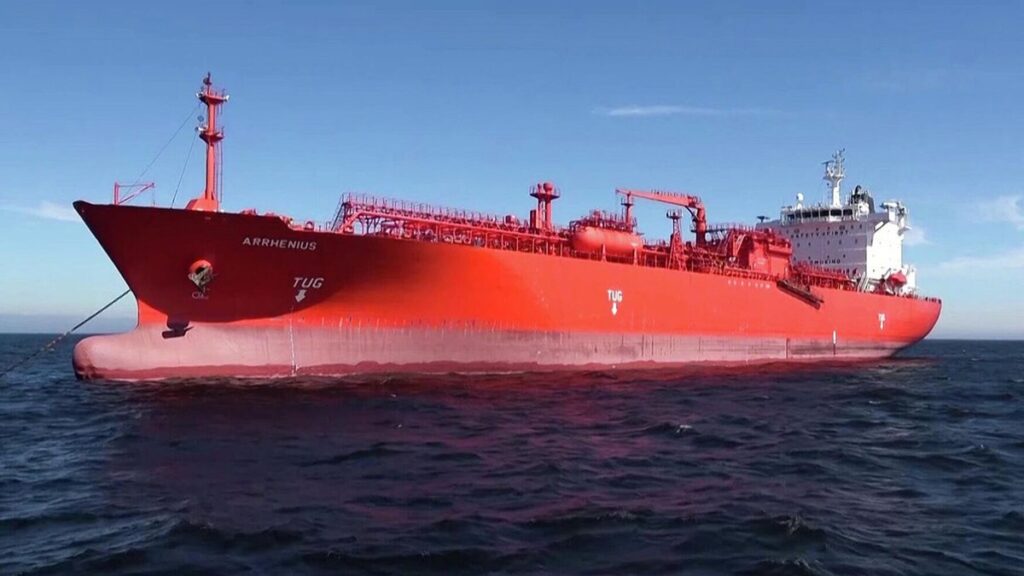
A reported discovery of explosive devices attached to an LPG carrier in Russia’s Baltic Sea gateway has intensified concerns about maritime security in a region already affected by geopolitical tensions, infrastructure attacks, and military activity. While many questions remain unanswered, the incident highlights emerging risks for commercial shipping and energy transport.
A Changing Risk Environment for Commercial Shipping
The incident comes against a backdrop of increasing attacks on critical infrastructure linked to the conflict between Russia and Ukraine.
Throughout 2026, Russian energy facilities and export terminals in the Baltic region have faced repeated drone attacks, including strikes targeting Ust-Luga and Primorsk. These incidents have disrupted operations and highlighted the vulnerability of strategic energy infrastructure.
What makes the Arrhenius case particularly significant is the alleged method involved. If investigators ultimately determine that the explosive devices were intentionally attached during the vessel’s voyage, it would represent a different type of threat compared to drone strikes or cyberattacks.
Instead of targeting fixed infrastructure, such an approach would exploit commercial vessels themselves as potential vectors for sabotage, creating new challenges for ports, shipowners, charterers, and maritime security agencies.
Growing Questions for Ports and Operators
The case is likely to trigger renewed discussions about underwater vessel inspections, anchorage security, and monitoring procedures at major ports.
Many commercial ships spend extended periods at open anchorages while awaiting berth availability, pilot services, or cargo operations. These locations often provide less oversight than secured terminals, creating potential vulnerabilities that security planners may now need to reassess.
For energy carriers in particular, the consequences of a successful attack could be severe. LPG, LNG, crude oil, and chemical tankers routinely call at high-volume energy terminals where any major incident could affect not only the vessel and crew but also surrounding port infrastructure and nearby shipping traffic.
Insurers, P&I clubs, and risk consultants will likely be watching developments closely as more details emerge from the investigation.
At this stage, several key questions remain unresolved, including who may have been responsible, whether the incident was an isolated event, and whether similar threats could exist elsewhere in the region.
Why This Matters
- Maritime security risks are evolving: The incident highlights concerns extending beyond drones and cyber threats to potential underwater sabotage of commercial vessels.
- Energy shipping remains a strategic target: Tankers and gas carriers operating near geopolitical hotspots face increasing security challenges.
- Port security procedures may come under review: Authorities could consider expanded underwater inspections and enhanced monitoring of vessels arriving from high-risk areas.
- Insurance and operational costs may rise: Additional security measures, inspections, and risk assessments could affect voyage planning and operating expenses.
While the facts surrounding the Arrhenius incident are still being investigated, the event underscores how geopolitical tensions are increasingly intersecting with commercial shipping. For shipowners, operators, and seafarers, the case serves as a reminder that maritime security threats continue to evolve beyond traditional battlefield boundaries.
At Sea: Operational Impact


DNV Validates High-Efficiency Carbon Capture System for Ships in Industry First


South Pars Output Rebounds as Iran Restarts Key Offshore Gas Platforms